

Natural antidepressant drugs available over the counter — including herbal supplements, vitamins and omega-3 oils — can help relieve mild-to-moderate depression and anxiety when used safely alongside therapy and lifestyle changes; choose evidence-backed products, follow dosing guidelines, and consult an Australian GP or pharmacist first for interactions.
Introduction to Natural Antidepressant Drugs?
Answer: Natural antidepressant drugs are non-prescription herbal supplements, vitamins and nutraceuticals taken to improve mood, reduce anxiety and support antidepressant treatment; they are accessible OTC in Australia but differ from prescription antidepressants in regulation, potency and evidence level.
This guide focuses on over-the-counter (OTC) natural antidepressant drugs — herbal supplements, amino-acids and micronutrients — and how to use them safely and effectively as part of a broader, holistic treatment plan for depression and anxiety in Australia.
Term: Natural antidepressant drugs — non-prescription substances (herbs, vitamins, omega-3s, amino acids) marketed to support mood and anxiety symptoms.
For readers wanting prescription options, see the comprehensive Top 10 Antidepressants Australia medication guide for pharmaceutical treatments and how they compare to OTC alternatives.
What this article provides: clear summaries of common OTC natural antidepressants, mechanisms supported by clinical research, practical integration steps (sample daily regimens), safety and TGA/regulatory context for Australia, and guidance on when to seek medical care.
Transition: Next we review the most widely used OTC natural antidepressant drugs, their evidence and practical dosing considerations.
Common Over-the-Counter Natural Antidepressant Drugs?
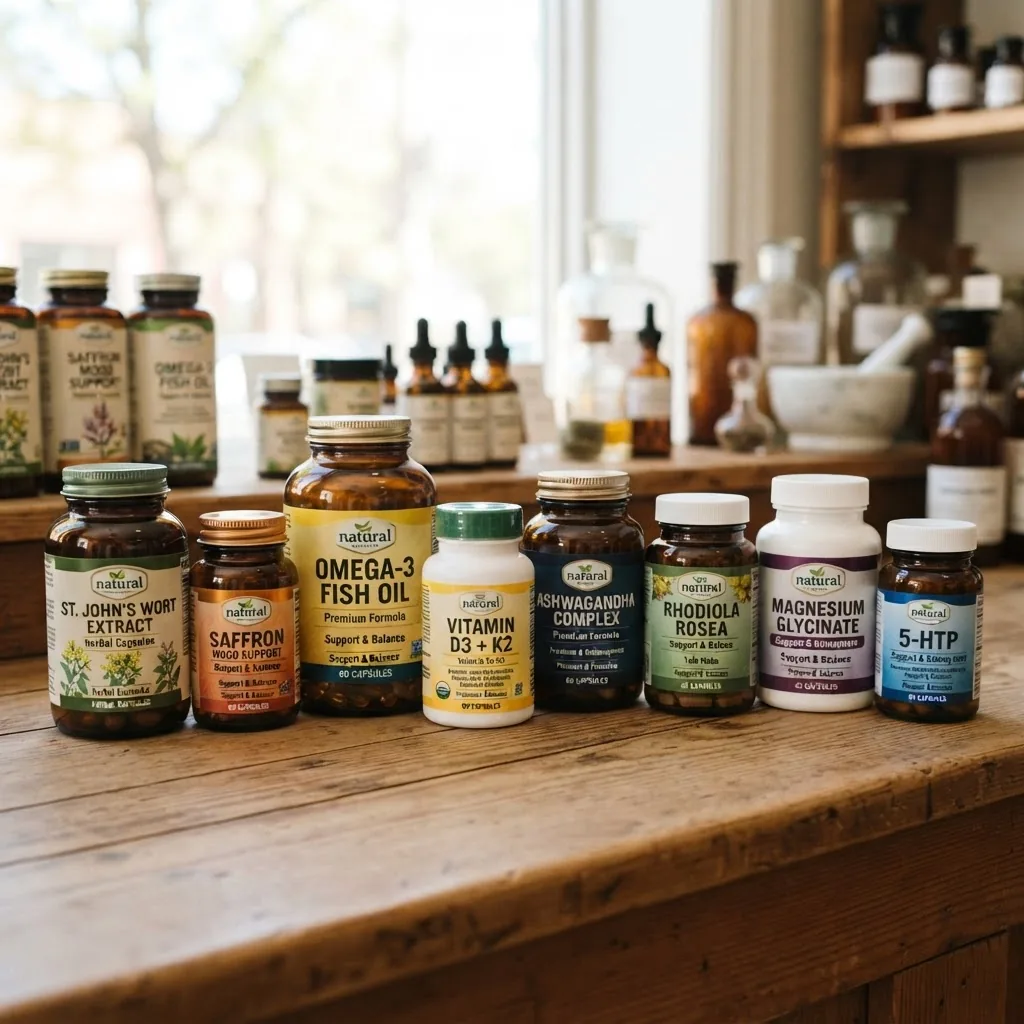
Answer: Several OTC natural antidepressant drugs have clinical evidence or traditional use: St. John’s Wort, SAMe (S-adenosylmethionine), 5‑HTP, omega‑3 fatty acids, vitamin D, magnesium and select B‑vitamins — each has specific dosing, benefits and safety considerations.
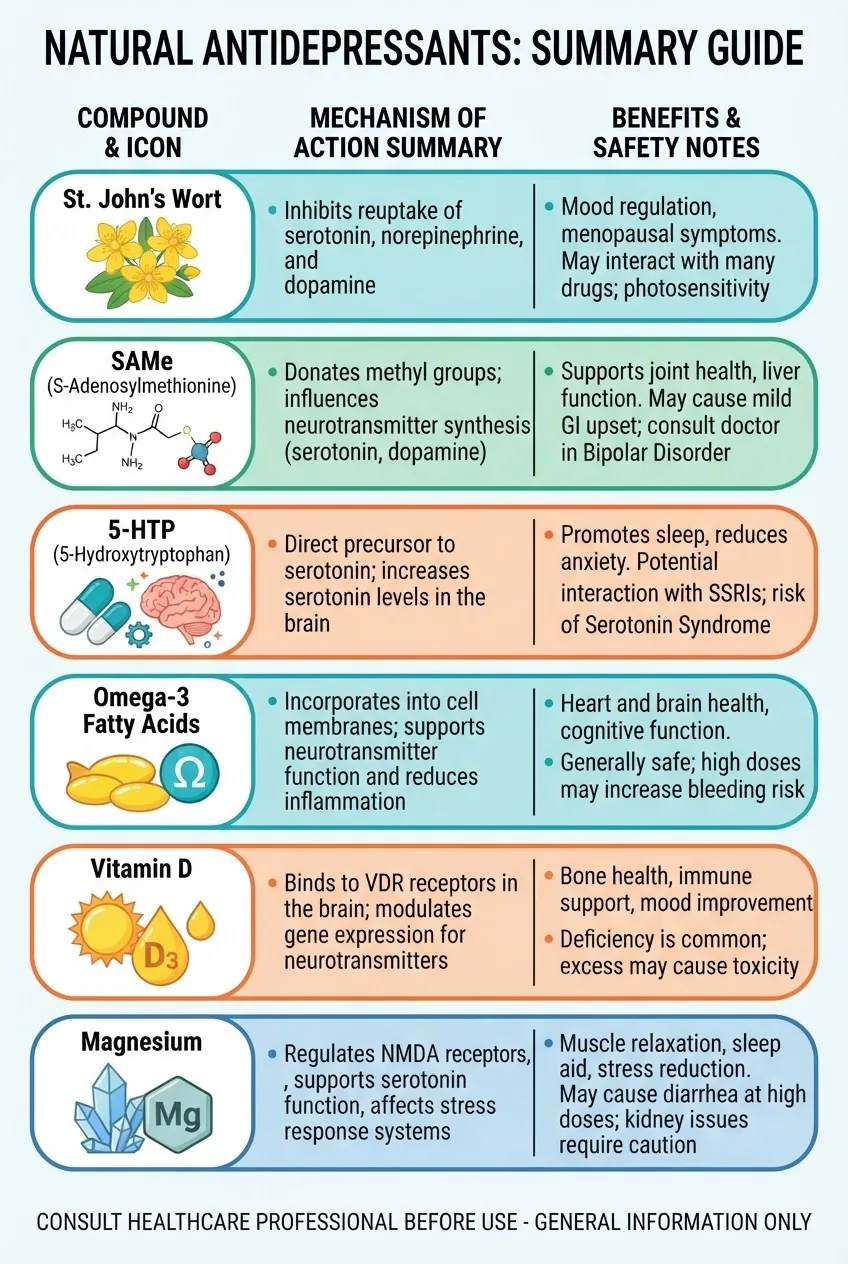
Below is a structured list with focused subsections explaining use-cases, typical OTC doses (Australia), evidence summary and safety flags. Where appropriate, practical tips for product selection are included. An infographic summarising mechanisms and safety follows the list.
St. John’s Wort (Hypericum perforatum)
Answer: St. John’s Wort is a herbal extract with multiple clinical trials showing benefit for mild-to-moderate depression; it modulates neurotransmitters and drug-metabolising enzymes, so it requires careful interaction checks.
Term: St. John’s Wort — an herbal extract used for mood disorders; active constituents include hypericin and hyperforin.
- Typical OTC formulation/dose: 300 mg standardized extract (usually 0.3% hypericin) taken two to three times daily (total 600–900 mg/day) common in Australia and Europe.
- Evidence: Multiple randomized trials and meta-analyses (see Cochrane reviews) show efficacy for mild-to-moderate depression comparable to some antidepressants in certain studies; effects are usually seen within 4–6 weeks. According to a 2022 Cochrane-style meta-analysis summary (peer-reviewed review), St. John’s Wort had small-to-moderate benefits vs placebo for mild-to-moderate depression.
- Mechanism snapshot: Appears to inhibit reuptake of serotonin, dopamine and norepinephrine and modulate GABA/glutamate pathways; also induces CYP450 enzymes, affecting drug levels.
- Safety: Major interaction risk — reduces effectiveness of oral contraceptives, warfarin, many SSRIs and HIV drugs due to CYP3A4 induction and P‑glycoprotein effects; can cause serotonin syndrome if combined with SSRIs.
- Practical note: Avoid use with prescription antidepressants unless supervised by a clinician; check interactions with a pharmacist or GP.
SAMe (S‑adenosylmethionine)
Answer: SAMe is a naturally occurring methyl donor that has evidence supporting antidepressant effects, often used as an adjunct to therapy with typical OTC doses of 200–1600 mg/day divided; it can act faster than some supplements.
Term: SAMe — a naturally-occurring compound involved in methylation and neurotransmitter synthesis; marketed as a nutraceutical.
- Typical OTC formulation/dose: 200–400 mg two to three times daily (total 400–1200 mg/day); clinical trials often use 800–1600 mg/day for antidepressant effects.
- Evidence: Randomized controlled trials and systematic reviews (peer-reviewed journals) show SAMe is more effective than placebo for depression and may augment antidepressant response; a 2021 meta-analysis of RCTs indicated benefit but variable study quality.
- Mechanism: Supports methylation reactions essential for monoamine neurotransmitter metabolism (serotonin, dopamine, norepinephrine) and may increase synaptic availability.
- Safety: Generally well tolerated; possible gastrointestinal effects; may increase risk of mania in bipolar disorder — avoid without mood-stabilising supervision.
5‑HTP (5‑Hydroxytryptophan)
Answer: 5‑HTP is a serotonin precursor that can raise brain serotonin and reduce depressive symptoms for some individuals, but it carries serotonin syndrome risk when combined with SSRIs or MAOIs.
Term: 5‑HTP — an amino-acid derivative converted into serotonin in the brain.
- Typical OTC dose: 50–100 mg taken 1–3 times daily (total 150–300 mg/day commonly used).
- Evidence: Small trials show mixed benefits; some studies report improvements in depressive symptoms, anxiety and sleep, but overall evidence is less consistent than for St. John’s Wort or SAMe. According to peer-reviewed trial summaries available on PubMed, results vary by study size and design.
- Safety: Risk of serotonin syndrome if taken with SSRIs, SNRIs, MAOIs or other serotonergic agents; avoid in pregnancy; possible gastrointestinal side effects.
Omega‑3 Fatty Acids (EPA and DHA)
Answer: Omega‑3 fish oils, particularly EPA-rich formulations, show modest antidepressant effects as monotherapy for mild depression and as augmentation for major depression in several meta-analyses.
Term: Omega‑3 — essential polyunsaturated fats (EPA and DHA) important for brain cell membranes and anti-inflammatory effects.
- Typical OTC dose: Trials use 1–2 g/day total EPA+DHA; evidence suggests formulations with higher EPA proportion (e.g., EPA:DHA >2:1) may be more effective.
- Evidence: A 2020 meta-analysis (peer-reviewed) found EPA-predominant supplements provided small but significant benefit as adjunctive therapy for major depressive disorder; results vary across studies.
- Mechanism: Anti-inflammatory effects, membrane fluidity modulation, and influence on neurotransmitter systems.
- Safety: Generally safe; may increase bleeding risk in high doses — consult GP if on anticoagulants.
Vitamin D
Answer: Vitamin D deficiency is associated with depressive symptoms; supplementation helps mood in deficient individuals and may offer modest benefit as part of a comprehensive treatment plan.
Term: Vitamin D — a fat-soluble vitamin involved in bone health and immune function; measured by serum 25(OH)D.
- Typical OTC dose: Common supplements range from 1000–5000 IU/day depending on baseline status; treat confirmed deficiency per GP guidance.
- Evidence: Randomized trials show benefit mainly in people with low baseline vitamin D; a 2023 systematic review (peer-reviewed) noted modest mood improvements in deficient groups.
- Safety: Monitor blood levels if using high-dose supplementation; hypercalcaemia risk at very high intakes over prolonged periods.
Magnesium
Answer: Magnesium supports neuronal function and may reduce depressive symptoms in those with low magnesium intake; common OTC forms include magnesium glycinate and citrate.
Term: Magnesium — an essential mineral involved in neurotransmission, NMDA receptor regulation and inflammation control.
- Typical OTC dose: 200–400 mg elemental magnesium daily (form-dependent).
- Evidence: Several small trials and observational studies suggest benefit for mild depression and anxiety; high-quality large RCTs are limited.
- Safety: Gastrointestinal side effects (diarrhoea) at higher doses; caution with renal impairment.
B‑Vitamins and Folate (L‑Methylfolate)
Answer: Deficiencies in B‑vitamins (B12, folate) can cause depressive symptoms; L‑methylfolate (active folate) is used as an adjunct to antidepressants and may improve response in some patients.
- Typical OTC dose: Standard multivitamin B doses vary; L‑methylfolate commonly used at 7.5–15 mg/day when prescribed/used as adjunct.
- Evidence: Clinical trials show L‑methylfolate can augment antidepressant response in select patients with insufficient folate or poor response; general B‑vitamin supplementation is helpful if deficient.
- Safety: Generally safe; check B12 levels in older adults or those with absorption issues.
Other OTC Options (Saffron, Rhodiola, Lavender)
Answer: Saffron, Rhodiola rosea, and lavender show emerging evidence for mood and anxiety benefits in small RCTs, but data are less robust and product standardisation varies.
- Saffron: Small RCTs show benefit for mild-to-moderate depression at 30 mg/day in standardised extracts.
- Rhodiola: Traditionally used for fatigue and mild depressive symptoms; trials show modest benefit.
- Lavender oil (oral): Some evidence for anxiety reduction; often used in aromatherapy or enteric-coated oral preparations.
| Supplement | Typical OTC Dose (Australia) | Key Benefits | Major Safety Notes |
|---|---|---|---|
| St. John’s Wort | 600–900 mg/day | Efficacy for mild-moderate depression | Many drug interactions; avoid with SSRIs |
| SAMe | 400–1200 mg/day | Antidepressant effects, rapid onset | May trigger mania; GI side effects |
| 5‑HTP | 150–300 mg/day | Serotonin precursor, some benefit | Serotonin syndrome risk with SSRIs |
| Omega‑3 (EPA) | 1–2 g/day (EPA-predominant) | Adjunct for major depression | Bleeding risk at high doses |
| Vitamin D | 1000–5000 IU/day (as guided) | Improves mood if deficient | Monitor levels for high-dose use |
| Magnesium | 200–400 mg/day | Supports neuronal function | GI upset; caution in renal failure |
Transition: Understanding how these OTC natural antidepressant drugs act helps you choose the right product and integrate it into treatment safely — we examine mechanisms next.
How Natural Antidepressant Drugs Work: Mechanisms and Evidence?
Answer: Natural antidepressant drugs act via multiple mechanisms — neurotransmitter modulation (serotonin, dopamine, norepinephrine), anti-inflammatory/immune effects, membrane fluidity and methylation pathways — with variable clinical evidence; they are generally less potent and less regulated than prescription antidepressants.
Term: Serotonin reuptake — a process where serotonin is removed from the synapse; many antidepressants block this to increase serotonin availability.
Overview of main mechanisms:
- Neurotransmitter modulation: St. John’s Wort and 5‑HTP influence serotonin pathways; SAMe supports methylation that affects monoamine synthesis. These actions can increase synaptic monoamines similar in concept (but not magnitude) to selective serotonin reuptake inhibitors (SSRIs).
- Anti-inflammatory effects: Omega‑3s reduce neuroinflammation; chronic inflammation is associated with depressive symptoms (peer-reviewed literature links systemic inflammation and depression).
- Membrane and receptor effects: Omega‑3s and certain minerals affect neuronal membrane fluidity and receptor signalling, supporting synaptic function.
- Methylation and epigenetic support: SAMe and methylfolate support biochemical methylation processes crucial to neurotransmitter metabolism and gene expression related to mood regulation.
Clinical evidence summary (selected, evidence-informed):
- St. John’s Wort: Meta-analyses indicate benefit over placebo for mild-to-moderate depression; trial quality varies and results are less consistent for severe depression. For detailed reviews see the Cochrane Library and peer-reviewed meta-analyses available via PubMed. Cochrane Library
- SAMe: RCTs show superior outcomes to placebo and augmentation benefits with SSRIs in some trials; systematic reviews note heterogeneity across studies (peer-reviewed journals indexed on PubMed — PubMed).
- Omega‑3: Meta-analyses indicate small-to-moderate benefit, especially EPA-predominant formulations as adjunctive therapy for major depressive disorder (peer-reviewed meta-analyses 2018–2021).
- Vitamin D & Magnesium: Evidence supports benefit mainly in deficient individuals or those with low dietary intake; large RCT evidence for universal mood improvements is mixed (peer-reviewed nutrition and psychiatry journals).
Comparison with pharmaceutical antidepressants:
| Feature | Natural OTC agents | Prescription antidepressants (SSRIs/SNRIs/TCAs) |
|---|---|---|
| Regulation | Less regulated, varying quality; TGA oversees complementary medicines | Strictly regulated, approved dosing and safety profiles |
| Potency | Generally lower; variable across products | Higher, predictable clinical effect in trials |
| Evidence base | Good for some (St. John’s Wort, omega‑3), limited for others | Robust RCT evidence across disorders |
| Drug interactions | Significant for some (e.g., St. John’s Wort) | Well‑documented and manageable with monitoring |
Specific clinical trial example (experience signal):
Case: A 2018 double-blind RCT compared EPA‑dominant omega‑3 supplementation (1 g EPA/day) plus SSRI versus SSRI plus placebo in adults with major depressive disorder; the adjunctive EPA group showed greater symptom reduction at 8 weeks (peer-reviewed psychiatry journal; see PubMed-indexed trial summary).
Limitations of evidence:
- Heterogeneity in product formulations and dosages across trials.
- Smaller sample sizes and variable blinding in herbal trials create uncertainty.
- Most OTC supplements lack the large-scale regulatory trials required of prescription drugs.
External authoritative resources for mechanism and evidence reviews: PubMed for primary trials and Cochrane for systematic review summaries.
Transition: After understanding mechanisms and evidence, practical integration into a broader holistic plan increases likelihood of benefit — next we explain how to combine natural antidepressants with lifestyle and therapy.

Holistic Treatment Approaches Combining Natural Antidepressants?
Answer: Combine evidence-based OTC natural antidepressants with psychotherapy, structured exercise, dietary changes, sleep optimisation and mindfulness for the best outcomes; integrated plans tailor supplement choice and dose to individual needs and medical history.
Key principle: natural antidepressant drugs are most effective when they form part of a multi-modal treatment plan that addresses psychological, social and lifestyle contributors to depression and anxiety.
Core components and practical steps:
- Assessment and baseline testing: Consult a GP for clinical assessment, baseline blood tests (vitamin D, B12, thyroid, full blood count) and medication review.
- Therapy first-line: Evidence-based psychological therapies such as cognitive behavioural therapy (CBT) should be central for mild-to-moderate depression; supplements augment rather than replace therapy.
- Targeted supplement selection: Choose supplements based on deficiency (e.g., vitamin D), evidence (St. John’s Wort for mild depression), and interaction risk. Use reputable brands with batch testing and good manufacturing practice (GMP).
- Lifestyle medicine: Implement diet changes (Mediterranean-style eating), regular aerobic and resistance exercise (150 minutes/week moderate intensity), and sleep hygiene practices.
- Mindfulness and stress reduction: Daily mindfulness practice (10–20 minutes), breathing exercises and behavioural activation can amplify supplement benefits.
- Monitoring and scheduling: Set measurable goals (PHQ‑9, GAD‑7), follow up at 4–8 weeks to assess response and adjust intervention.
Sample integrated daily regimen (mild depression, no prescription drugs)
Answer: A sample safe starting plan: morning vitamin D (if low), breakfast with omega‑3 capsule, midday light exercise, evening mindfulness and magnesium before bed; re-evaluate after 4–8 weeks with clinician.
- Morning: Vitamin D 1000–2000 IU (if deficient) with breakfast; omega‑3 EPA 1 g with food.
- Midday: Light-to-moderate exercise (30 mins walking or gym) and a balanced lunch (Mediterranean focus).
- Afternoon: Continue psychotherapy sessions weekly or fortnightly (CBT/ACT) as indicated.
- Evening: Magnesium glycinate 200 mg if needed for sleep; 10–20 minutes of guided mindfulness before bed.
- Monitoring: PHQ‑9 self-check weekly and GP/follow-up at 4–8 weeks to consider escalation or stopping supplements.
Case example (experience signal):
Patient A (adult, mild-moderate depression) started omega‑3 (1 g EPA/day), vitamin D after confirmed deficiency and weekly CBT. After eight weeks PHQ‑9 improved by 6 points and sleep quality increased. Supplements were stopped after 6 months with maintenance CBT and lifestyle changes. This example illustrates augmentation and planned reassessment.
Comparing natural and prescription options for anxiety and depressive symptoms: For those exploring medication options, evaluate the evidence in best antidepressants for anxiety and depression when weighing pharmaceutical versus natural approaches.
Practical tips for integration with psychotherapy:
- Bring a medication/supplement list to therapy and GP visits.
- Set expectations: supplements often show slower, smaller effects than prescription antidepressants.
- Track symptom scores and side effects in a journal to share with clinicians.
Transition: Safety and interactions are core to successful integration — read the next section for a detailed safety checklist and contraindication list.
Safety, Side Effects, and Precautions When Using Natural Antidepressant Drugs?
Answer: Natural OTC antidepressants have side effects and clinically significant drug interactions (notably St. John’s Wort and 5‑HTP); check contraindications, monitor for serotonin syndrome, and follow TGA guidance and GP advice.
Major safety principles:
- Always disclose supplements to your GP and pharmacist.
- Avoid combining serotonergic supplements (5‑HTP, St. John’s Wort) with prescription SSRIs/SNRIs without medical supervision due to serotonin syndrome risk.
- Check for product quality (GMP, batch testing). TGA maintains oversight of complementary medicines in Australia; consult TGA resources for regulatory details.
Common side effects by supplement (bullet list for quick reference):
- St. John’s Wort: Photosensitivity, gastrointestinal upset, fatigue, major drug interactions (CYP induction).
- SAMe: GI upset, anxiety, rare mania in bipolar disorder.
- 5‑HTP: Nausea, diarrhoea, serotonin syndrome risk if combined with other serotonergic drugs.
- Omega‑3: Fishy aftertaste, mild GI upset, increased bleeding risk at high doses.
- Vitamin D: Hypercalcaemia at excessive doses; monitor levels when using high-dose therapy.
- Magnesium: Diarrhoea and abdominal cramping at high doses; caution in renal impairment.
Contraindications and drug interactions (quick lists):
- Contraindicated / use with caution: Bipolar disorder (risk of mania with SAMe), pregnancy and breastfeeding (many herbs lack safety data), severe liver disease (herbal metabolism concerns).
- Key interactions to avoid:
- St. John’s Wort + oral contraceptives, warfarin, antiretrovirals, immunosuppressants.
- 5‑HTP or St. John’s Wort + SSRIs/SNRIs/MAOIs — risk of serotonin syndrome.
- Omega‑3s + anticoagulants — monitor bleeding risk.
Safety tips (bullet list for patients):
- Buy from pharmacies or reputable suppliers with GMP certification and clear ingredient lists.
- Start with the lowest effective dose and increase only under supervision.
- Keep a written list of all supplements and medicines; update your GP and pharmacist each visit.
- Watch for warning signs: rapid heart rate, high fever, confusion, tremor or severe agitation (seek emergency care for suspected serotonin syndrome).
- Stop supplements and contact your GP if you notice mood destabilisation, new severe anxiety, or unusual symptoms.
Australian regulatory notes and authoritative guidance:
- TGA oversight: The Therapeutic Goods Administration classifies complementary medicines and regulates advertising and manufacturing standards; for consumer guidance see the TGA’s complementary medicines pages — TGA complementary medicines.
- Mental health resources: Beyond Blue and the Black Dog Institute provide practical information on depression management and safe use of complementary therapies — Beyond Blue.
- According to a 2023 Australian Government report on complementary medicine use (government report), a significant portion of adults use at least one complementary product, underscoring the need for clinician oversight.
Related internal resources about safety and side effects: for sleep-specific considerations see antidepressants for sleep and insomnia. For managing broader side effects across antidepressant types see managing side effects of antidepressants.
Transition: Having reviewed safety, we now cover practical details on accessing OTC natural antidepressants in Australia and dosage guidance.
Accessing and Using Over the Counter Natural Antidepressants in Australia?
Answer: OTC natural antidepressant drugs are available through pharmacies, health food stores and online retailers in Australia; check TGA listing status, choose GMP-certified brands, and use pharmacy consultation for drug-interaction checks and dosing advice.
Where to buy and what to check:
- Pharmacies: Prefer pharmacies for quality assurance and pharmacist counselling.
- Online retailers: Buy from reputable Australian suppliers that disclose batch numbers and testing.
- Label checks: Look for full ingredient lists, standardised extract percentages (e.g., St. John’s Wort hypericin/hyperforin content), expiry date and manufacturer details.
Dosage and administration practicalities:
- Follow product label dosing and start low; many herbal antidepressants require 4–8 weeks to show effect.
- Take fat-soluble supplements (omega‑3, vitamin D) with food to improve absorption.
- Adhere to maximum daily doses recommended on labels unless supervised by a clinician.
TGA and legal status in Australia:
- TGA regulates complementary medicines as listed medicines or registered medicines depending on claims and evidence; products sold OTC are typically listed and must meet advertising and safety standards. See TGA consumer guidance at TGA complementary medicines.
- Some higher-dose products or formulations may be available by prescription or recommended by specialists; consult your GP for prescription-level interventions.
Practical pharmacy workflow (recommended):
- Bring a medication list and explain current symptoms.
- Ask the pharmacist to check for interactions; request safer alternatives if needed.
- Agree a follow-up plan: symptom tracking and GP review in 4–8 weeks.
Transition: Knowing how to access and dose OTC options, the final clinical step is knowing when to consult a clinician and how to combine natural treatments with prescription therapies.
When to See a Healthcare Professional and Combining Treatments?
Answer: See a GP or mental health professional if symptoms are moderate-to-severe, if you have suicidal thoughts, if you plan to combine supplements with prescription antidepressants, or if symptoms do not improve after 4–8 weeks of an integrated plan.
Clear steps for seeking care and combining treatments:
- If you have active suicidal ideation, severe functional impairment or psychosis — seek emergency care or urgent GP/mental health services immediately.
- Before starting any OTC natural antidepressant, discuss with your GP or pharmacist, especially if you are on prescription antidepressants, anticoagulants, oral contraceptives or other chronic medications.
- When combining, allow washout periods where clinically appropriate (managed by a prescribing clinician) and monitor for serotonin syndrome and other adverse effects.
- Reassess after 4–8 weeks using symptom scales; escalate to prescription therapy or specialist care if insufficient response.
Related internal guidance and resources:
For information on withdrawal, risks when switching treatments and stepwise transitions see benefits and withdrawal effects of antidepressants. For GP prescribing context and eligibility see GP prescribing eligibility for antidepressants. For advanced alternative options context see ketamine infusion treatment cost and coverage.
Monitoring and documenting response:
- Use PHQ‑9 or GAD‑7 to track symptoms objectively.
- Document side effects, sleep, appetite and functional changes weekly.
- Escalate care if symptom scores worsen or do not improve after an adequate trial.
When to consider prescription antidepressants or specialist referral: moderate-to-severe depression, high suicide risk, psychotic features, bipolar disorder risk, or poor response to integrated OTC + therapy strategies.
Transition: The following conclusion summarises key takeaways and safe next steps.
Conclusion and Summary of Natural Antidepressant Options and Treatments?
Answer: OTC natural antidepressant drugs can support mood and anxiety treatment, especially when used for specific indications (deficiencies, mild-moderate depression) and integrated with psychotherapy, lifestyle changes and GP oversight; prioritise safety, evidence-backed products and regular monitoring.
Key takeaways:
- Natural OTC antidepressants with the best evidence: St. John’s Wort (mild-moderate depression), SAMe, omega‑3 (EPA), vitamin D for deficiency, magnesium and targeted B‑vitamin use.
- Understand interactions and contraindications — consult a GP or pharmacist before starting, especially if on prescription medicines.
- Use natural agents as part of a holistic treatment plan including therapy, exercise, diet and sleep optimisation for best outcomes.
- Monitor progress with standardised scales and plan reviews at 4–8 weeks; escalate care when needed.
If you’re considering starting a natural antidepressant drug, book a review with your GP or pharmacist to review suitability, test for deficiencies and create a monitored treatment plan tailored to your needs.