
Anxiety attacks and panic attacks differ primarily in onset, intensity and diagnostic criteria: anxiety attacks typically rise from prolonged stress and vary in intensity, while panic attacks are sudden, intense surges of fear meeting DSM-5 criteria and usually peak within minutes; both require tailored clinical response…
Term: anxiety attacks — acute episodes of heightened anxiety often triggered by ongoing stressors, not a formal DSM diagnosis.
Term: panic attacks — abrupt episodes of intense fear or discomfort that may meet DSM-5 criteria for panic, often with peak symptoms within 10 minutes.
Understanding Anxiety Attacks and Panic Attacks
Answer: Anxiety attacks are usually gradual, stress-linked episodes of heightened worry and physical symptoms, while panic attacks are sudden, intense events marked by severe sympathetic arousal; knowing the difference helps clinicians decide assessment and immediate management steps.
Both terms describe acute anxiety states but differ clinically. Hyperventilation (rapid shallow breathing) is a physical response that may occur in both; fight-or-flight refers to the sympathetic nervous system activation that produces palpitations and sweating. Defining these terms early reduces confusion when deciding interventions.
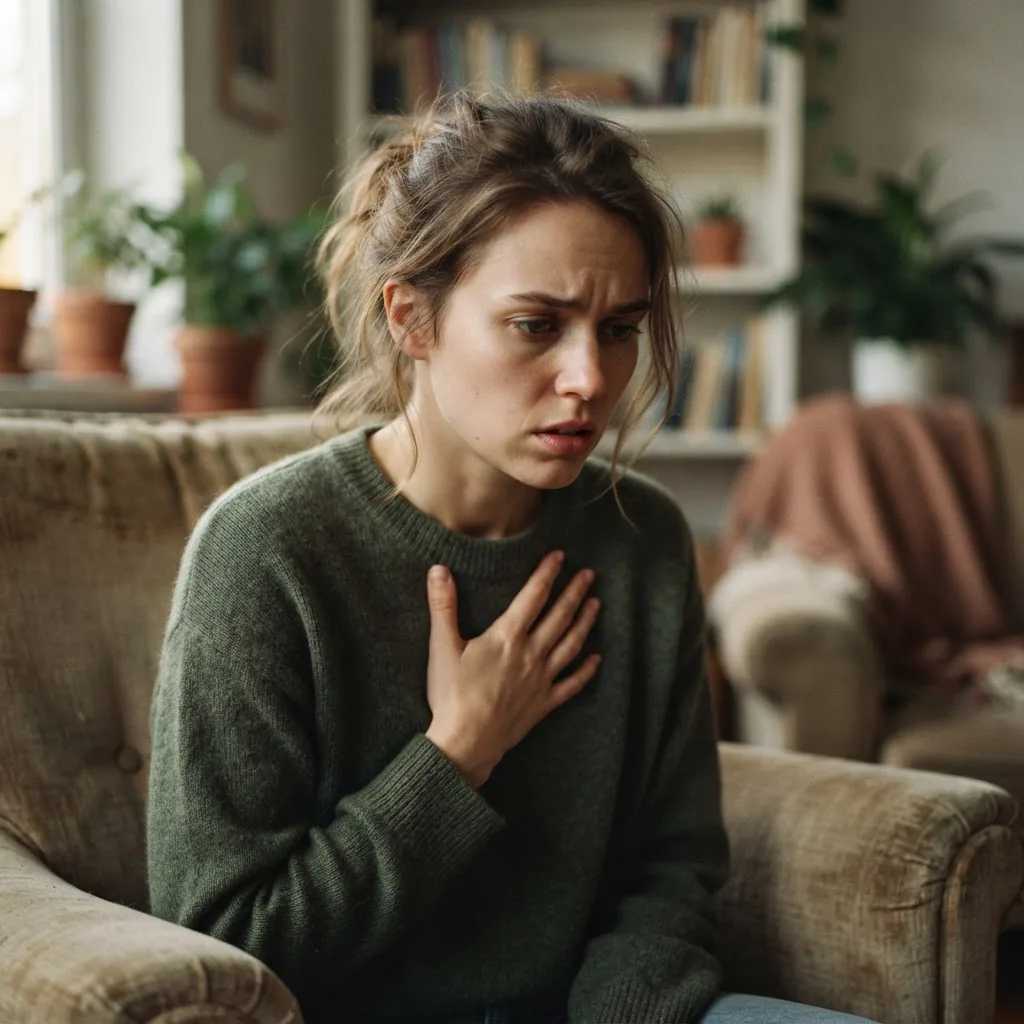
Clinical relevance for Sydney readers: local clinics commonly see anxiety attacks linked to persistent life stressors (work, relationships, financial pressure) and panic attacks often presenting in EDs with chest pain concerns. Recognising pattern and context informs whether urgent medical assessment is needed.
Transition: The distinction above leads directly into specific observable differences central to diagnosis and management.
Key Differences Between Anxiety Attacks and Panic Attacks
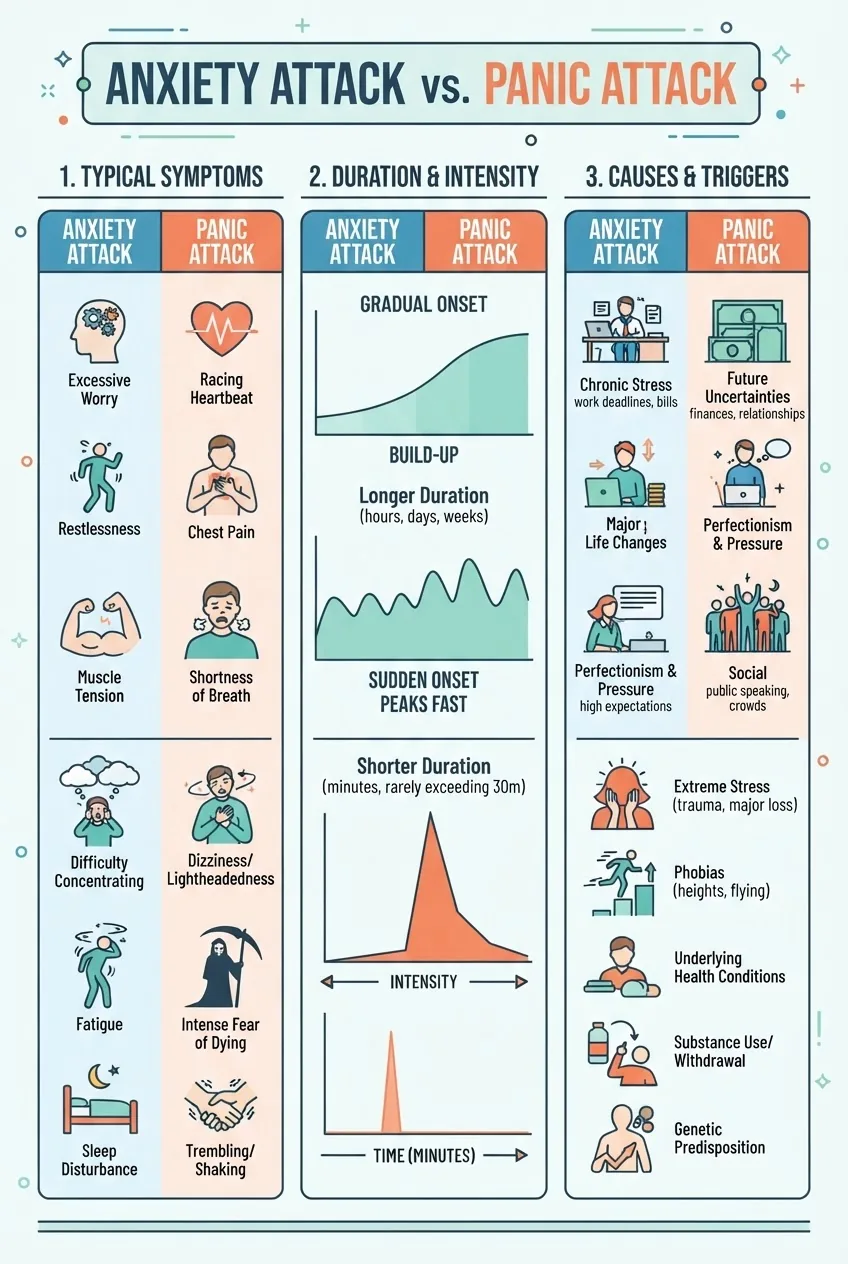
Answer: Panic attacks are sudden, intense, and often meet DSM-5 symptom criteria; anxiety attacks tend to develop gradually with context-specific triggers and longer duration—this table summarises the main contrasts.
| Feature | Anxiety Attack | Panic Attack |
|---|---|---|
| Onset | Gradual, linked to identifiable stressors | Abrupt, peaks within minutes |
| Intensity | Variable, often moderate to high | Very high; intense fear or terror |
| Duration | Minutes to hours, sometimes days of elevated anxiety | Usually peaks <10 minutes; may resolve within 20–30 minutes |
| Diagnostic status | Not a formal DSM diagnosis; symptom description | May meet DSM-5 criteria for panic attack and Panic Disorder |
| Common triggers | Ongoing stress, worries, specific situations | Unexpected episodes, phobias, or physiological sensations |
| Typical physiological response | Increased muscle tension, restlessness, mild sympathetic arousal | Marked sympathetic surge: palpitations, chest pain, dizziness |
Explanation: The DSM-5 distinction matters clinically because panic attacks can be specified as part of Panic Disorder or other conditions; clinicians use onset timing, symptom clusters, and context to classify episodes and decide on assessment and safety planning.
Transition: With these differences clarified, the next section breaks down the specific symptoms and physical responses you’re likely to observe.
Symptoms and Physical Responses Explained
Answer: Anxiety and panic attacks share some symptoms but differ in pattern and prominence—below are numbered symptom lists for each type with concise clinical explanations.
Anxiety attack symptoms (numbered)
- Excessive worry: pervasive concern about future events or performance, often anticipatory.
- Restlessness: subjective feeling of being on edge; linked to increased muscle tension.
- Fatigue: mental and physical tiredness from prolonged arousal.
- Difficulty concentrating: intrusive worries interrupt working memory.
- Irritability: low frustration tolerance due to chronic stress.
- Sleep disturbance: trouble falling or staying asleep because of rumination.
- Palpitations or increased heart rate: milder than panic but present in sustained episodes.
- Muscle tension: chronic tightening, especially neck, shoulders, and jaw.
Clinical note: Anxiety attack somatic symptoms often resemble low-to-moderate sympathetic activation and may persist or fluctuate over hours to days rather than peaking sharply.
Panic attack symptoms (numbered)
- Palpitations, pounding heart, or accelerated heart rate — abrupt and intense.
- Sweating — profuse and sudden.
- Trembling or shaking — visible or internal.
- Shortness of breath or sensations of smothering — may mimic respiratory illness.
- Chest pain or discomfort — often prompts emergency evaluation.
- Nausea or abdominal distress — common autonomic symptoms.
- Dizziness, light-headedness, or faintness — due to rapid autonomic shifts.
- Derealisation or depersonalisation — feeling detached from reality.
- Fear of losing control or “going crazy” — cognitive symptom of intensity.
- Fear of dying — common during chest/respiratory symptoms.
Clinical definition reference: These symptom clusters mirror the DSM-5 list for panic attacks and guide clinicians assessing whether an episode meets formal criteria (DSM-5 reference).
Transition: Knowing which symptoms dominate helps trace likely causes and triggers, discussed next.
Causes and Triggers of Anxiety Attacks vs. Panic Attacks
Answer: Anxiety attacks are commonly driven by prolonged stress, life events, or specific worry patterns; panic attacks may be triggered by unexpected bodily sensations, phobias, or genetic vulnerability—both interact with environment and biology.
Term: genetic predisposition — inherited traits that make someone more likely to develop anxiety disorders when combined with environmental stressors.
Common causes and triggers with examples:
- Chronic stressors: ongoing workplace pressure, caregiving burden, or financial strain—typical precursors to anxiety attacks.
- Acute life events: bereavement, relationship breakdown, or major relocation, which can precipitate either attack type.
- Phobias or situational triggers: enclosed spaces, public speaking (panic attacks often linked here if avoidance is strong).
- Trauma history: post-traumatic stress can manifest as sudden panic-like reactions to cues.
- Physiological sensations: caffeine, alcohol withdrawal, hypoglycaemia, or hyperventilation can trigger panic attacks by producing alarming bodily sensations.
- Genetic and temperamental factors: family history of anxiety disorders increases vulnerability (twin and family studies—peer-reviewed epidemiology).
- Environmental factors: social isolation, workplace culture, or repeated emergency exposures (e.g., frontline workers).
Evidence and guidance: Australian clinical guidance recommends screening for stress exposure and comorbidities when attacks occur (Australian Government Department of Health).
Transition: After identifying causes, precise diagnosis clarifies treatment direction; the next section covers diagnostic steps clinicians use.
Diagnosing Anxiety Attacks and Panic Attacks
Answer: Clinicians diagnose panic attacks using DSM-5 symptom checklists and assess anxiety attacks via clinical interview exploring context, duration and functional impact; medical evaluation rules out organic causes first.
Diagnostic process typically includes:
- Comprehensive clinical interview covering symptom onset, frequency, and context.
- Structured symptom checklist referencing DSM-5 criteria for panic attacks and Panic Disorder (DSM-5).
- Medical assessment to exclude cardiac, respiratory, thyroid, or metabolic causes—ECG or blood tests when chest pain or syncope are present.
- Risk and safety screening for suicidality or severe functional impairment.
- Assessment for comorbid conditions (depression, substance use, PTSD).
- Functional impact evaluation (work, relationships, daily activities).
Clinical nuance: A single panic attack does not equal Panic Disorder; DSM-5 requires recurrent unexpected panic attacks plus at least one month of persistent concern or behavioural changes. Clinicians document whether attacks are expected (triggered) or unexpected, which affects diagnosis and treatment planning.
Transition: With diagnosis clarified, effective non-medication treatment options are central for many patients and the next section outlines step-by-step clinical approaches used in clinic practice.
Managing and Treating Anxiety and Panic Attacks Without Medication
Answer: A stepped clinical program combines immediate crisis management, evidence-based therapies, and practical techniques—delivered in clinic settings—to reduce attack frequency and improve coping without relying on medication.
Term: clinical interventions — structured, evidence-based therapeutic actions provided by health professionals to treat symptoms and improve functioning without pharmacology.
clinical interventions for anxiety treatment without medication
Clinical model and step-by-step process (composite case example included):
Composite case: “Maya”, a 28-year-old teacher from Sydney, experienced recurrent sudden chest-tightness and dizziness at work. Episodes peaked within 8–10 minutes and led to ER visits. Assessment revealed unexpected panic attacks with avoidance of the classroom. A clinic pathway focused on immediate coping skills, graded exposure, and psychotherapy reduced attacks over 12 weeks.
Step 1 — Immediate safety and crisis management (first-contact):
- Rule out medical emergencies: clinicians arrange ECG, vitals, and basic labs when chest pain, syncope, or severe breathlessness present.
- Provide short-term grounding and breathing techniques to reduce sympathetic arousal (see Step 2).
- Assess suicidality and acute risk; refer to emergency services or crisis teams if needed (see Lifeline link below).
Step 2 — Immediate non-medication tools for symptom reduction:
- Controlled breathing: 4-4-8 or 4-6 breathing exercises to reduce hyperventilation and restore CO2 balance; clinics often use guided audio for initial sessions.
- Grounding techniques: 5-4-3-2-1 sensory exercise (identify 5 things seen, 4 things felt, etc.) to shift attention from internal threat sensations.
- Progressive muscle relaxation (PMR): systematic tensing and relaxing of muscle groups to lower baseline tension—clinically delivered with cues and recordings.
- Acute behavioural scripts: short phrases (“This will peak and pass”) practiced in-session to manage catastrophic thoughts during episodes.
Clinical tools used in our clinic: therapy rooms include guided-breathing cue cards, a standard breathing exercise guidebook, and meditation cushions for in-session practice.

Step 3 — Evidence-based psychotherapy (structured):
- Cognitive Behavioural Therapy (CBT): targets catastrophic misinterpretations of bodily sensations and avoidance behaviours; highly evidence-based for panic and anxiety (brief mention as requested). For more detail see CBT therapy for social anxiety disorder.
- Exposure therapy: graded interoceptive (to bodily sensations) and situational exposures to reduce fear conditioning.
- Acceptance and Commitment Therapy (ACT): builds psychological flexibility and reduces experiential avoidance.
- Trauma-focused therapies: where traumatic triggers are present, protocols such as EMDR or trauma-focused CBT may be indicated.
Evidence note: Peer-reviewed meta-analyses show CBT and exposure-based approaches reduce panic attack frequency and anxiety symptom severity (peer-reviewed studies; clinical guidelines meta-analyses).
Step 4 — Behavioural strategies and lifestyle adjustments:
- Reduce stimulants (caffeine, nicotine) and review alcohol use—clinicians assess substance triggers.
- Sleep hygiene and regular physical activity to stabilise physiological arousal.
- Stress management: time-blocking, assertiveness training, and workplace adjustments.
Step 5 — Skills consolidation and relapse prevention:
- Graduated booster sessions to consolidate coping skills and exposure gains.
- Written relapse prevention plan with trigger identification and early warning signs.
- Referral pathways for specialist input where needed (e.g., complex comorbidity).
Clinical interventions toolkit: In-clinic practice often uses a combination of guided practice, home tasks (workbooks, breathing audio), and digital adjuncts. Where medication is not preferred, structured therapy plus skills training achieves meaningful symptom reduction for many patients (clinical trials and guideline summaries).
When CBT is a core option: Cognitive techniques reframe catastrophic interpretations of bodily sensations and support behaviour change; see our referral description of CBT therapy for social anxiety disorder for implementation examples relevant to social triggers.
Practical breathing exercise (clinician-guided):
- Sit upright with two feet grounded; place one hand on the abdomen.
- Inhale 4 seconds through the nose, feeling the abdomen rise.
- Hold for 1–2 seconds, then exhale slowly for 6–8 seconds through pursed lips.
- Repeat for 5 cycles, then return to normal breathing while observing bodily sensations non-judgmentally.
Clinical evidence and resources: For Australian guideline context see the Department of Health mental health resources (Australian Government Department of Health), and for professional standards consult the Australian Psychological Society (APS).
Limitations and informed consent: Non-medication pathways require patient engagement and are not universally sufficient—clinicians regularly review progress and discuss medication where therapy alone is ineffective.
Transition: Knowing non-medication strategies is vital, but recognising when these are insufficient or when urgent care is needed follows next.
When to Seek Professional Help
Answer: Seek immediate professional help for chest pain, fainting, severe breathing difficulty, or suicidal thoughts; consult a clinic or GP when attacks recur, cause avoidance, or significantly impair daily functioning.
- Emergency: sudden chest pain with collapse or severe breathlessness — present to ED immediately.
- Crisis support: suicidal ideation or inability to keep safe — contact Lifeline or emergency services (Lifeline Australia).
- Primary care referral: persistent or recurrent attacks—see your GP for medical evaluation and referral to mental health services.
- Specialist clinic referral: frequent panic attacks, avoidance, or comorbid disorders—book a mental health assessment at a psychology clinic or community mental health service.
- When non-medication strategies fail or functional impairment persists—consider multidisciplinary review including psychiatrists and psychologists.
Disclaimer: Symptom presentation varies; self-diagnosis is limited. If you are unsure or symptoms are severe, contact local health services or emergency care. (For crisis support in Australia, see Lifeline.)
Transition to closure: The final section summarises key clinical takeaways and next steps for readers seeking help.
Conclusion
Answer: Anxiety attacks and panic attacks differ in onset, intensity, and diagnostic implications; practical non-medication clinical interventions—immediate breathing and grounding, CBT and exposure therapy, and structured clinic pathways—are effective first-line options for many patients.
Key takeaways:
- Panic attacks are sudden and may meet DSM-5 criteria; anxiety attacks are typically stress-driven and gradual.
- Initial management focuses on safety, breathing and grounding; follow-up uses evidence-based psychotherapy and exposure.
- Seek emergency care for chest pain, fainting, severe breathlessness, or suicidality; consult clinics for persistent or disabling attacks.
If you or someone you know in Sydney is experiencing recurrent attacks, contact a local clinic for assessment and to discuss tailored, evidence-based non-medication options including structured therapy and skills training. Book an appointment with our team to explore personalised care pathways and ongoing support.