

Anxiety manifesting physically means psychological stress produces real body symptoms — heart palpitations, sweating, muscle tension, breathlessness and gastrointestinal upset — driven by autonomic nervous system activation; these signs need assessment and targeted treatment combining therapy, medication, relaxation and lifestyle changes for symptom relief in Sydney, tailored care improves outcomes.
Term: anxiety manifesting physically — when emotional anxiety produces observable bodily symptoms through physiological stress mechanisms such as sympathetic activation and hormonal changes.
What Does It Mean When Anxiety Manifests Physically?
Answer: Anxiety manifesting physically is when psychological fear or worry triggers the body’s stress systems, producing measurable physiological symptoms like increased heart rate, sweating, tight muscles and digestive changes; these are not “all in the head” but bodily responses to nervous system activation that can and should be treated.
Term: psychosomatic symptoms — physical symptoms that arise from emotional or mental factors rather than a primary medical disease.
When we say anxiety manifesting physically we describe a cascade: perceived threat → brain activation (amygdala, hypothalamus) → autonomic nervous system (ANS) response → physiological effects. The autonomic nervous system controls automatic bodily functions; its sympathetic branch drives the “fight or flight” response and the parasympathetic branch restores calm.
Term: autonomic nervous system — the part of the nervous system that regulates involuntary functions like heart rate, breathing and digestion via sympathetic and parasympathetic branches.
Physiological impacts follow predictable pathways: acute anxiety triggers adrenaline and noradrenaline release within seconds and a cortisol surge over minutes, increasing heart rate, redirecting blood flow to large muscles and changing breathing patterns. Repeated activation leads to sensitisation: the body learns to respond more strongly to minor triggers, which is why chronic anxiety presents as persistent physical complaints.
Clinical tools used to evaluate these manifestations include symptom checklists, heart rate variability (HRV) biofeedback, respiratory rate monitoring and standardised scales (e.g., GAD-7 for anxiety severity). These tools help clinicians separate primary medical conditions from anxiety-driven symptoms and target treatment.
If you want background on different anxiety presentations that may relate to particular physical symptom patterns, see our different types of anxiety guide.
Evidence summary: physiological studies show clear ANS activation during anxiety episodes and sustained HPA-axis (hypothalamic–pituitary–adrenal) effects with chronic stress, explaining fatigue, sleep disruption and immune modulation noted in clinical samples (see external sources below).
Transition: The mechanisms above produce a recognisable set of physical effects — the next section lists those symptom clusters and what they commonly feel like.
Common Physical Effects of Anxiety on the Body
Answer: Anxiety commonly produces heart rate changes, sweating, muscle tension, breathing changes, dizziness and gastrointestinal disturbances; each symptom links to predictable autonomic and hormonal actions and may mimic medical conditions, so careful evaluation is essential.
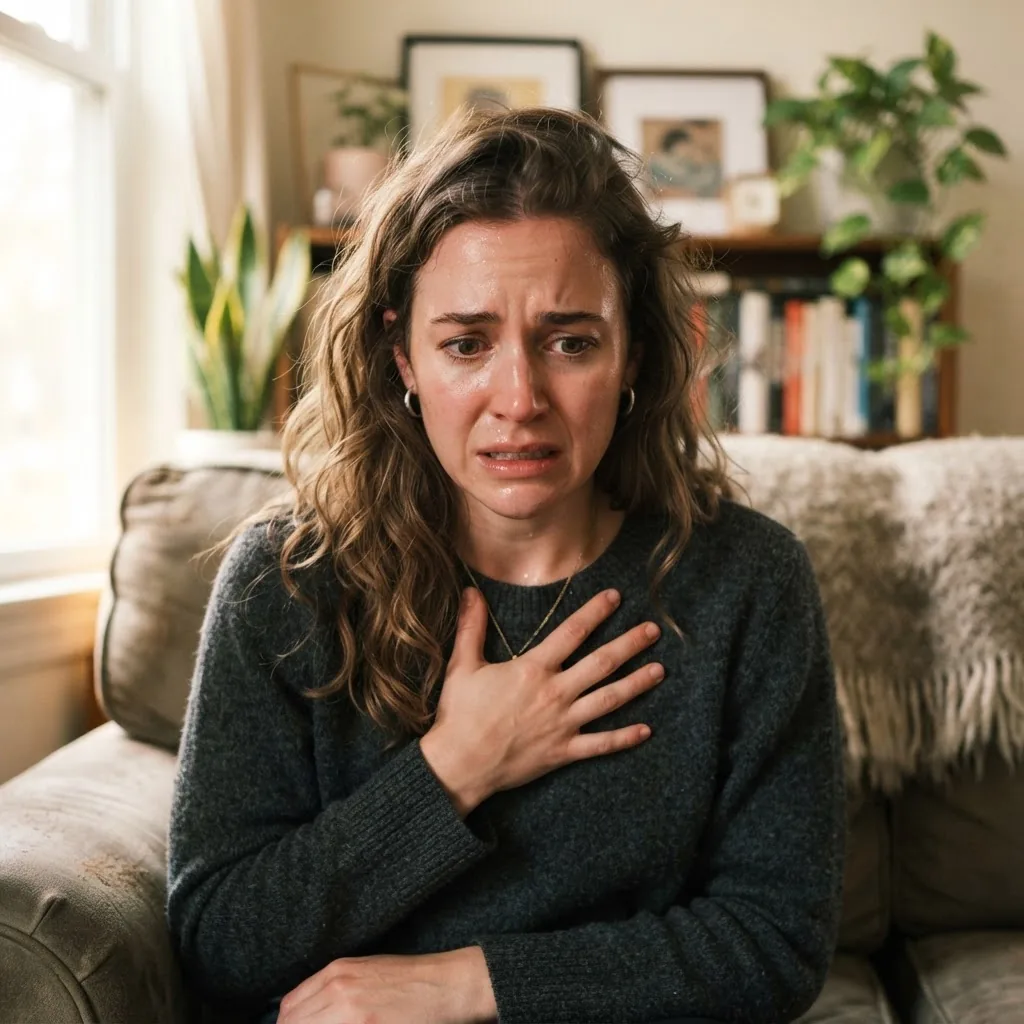
- Heart palpitations and chest sensations: Rapid or irregular heartbeat, pounding or chest tightness occur because sympathetic activation increases cardiac output and contractility; palpitations can be frightening but are often benign in anxiety. For disorder examples see GAD symptoms and treatment.
- Excessive sweating: Sweating is a sympathetic response meant to cool the body but is frequently triggered by perceived social or physical threat within minutes of anxiety onset.
- Muscle tension and pain: Chronic low-grade contraction (neck, shoulders, jaw) from sustained sympathetic arousal causes headaches, temporomandibular strain and back pain; physiotherapy and targeted relaxation reduce this load.
- Respiratory symptoms: Shortness of breath, chest tightness, hyperventilation and the sensation of “not getting enough air” result from altered breathing patterns; these can also trigger lightheadedness and paresthesia.
- Dizziness and lightheadedness: Changes in breathing, blood pressure and cerebral perfusion during acute anxiety produce vertigo-like symptoms that are distressing but usually transient.
- Gastrointestinal effects: Nausea, abdominal pain, bloating, diarrhoea or constipation arise because the ANS shifts blood flow away from digestion and alters gut motility; see stomach symptoms and anxiety care.
- Sleep disruption and fatigue: Nighttime rumination and sympathetic hyperarousal impede deep sleep, increasing daytime tiredness and perpetuating anxiety.
- Vision and sensory changes: Blurred vision, sound sensitivity and heightened startle reflect cortical and brainstem arousal states during anxiety episodes.
- Autonomic dysregulation symptoms: Fluctuating temperature, paleness or flushing, and changes in blood pressure; persistent dysregulation may indicate a chronic anxiety state affecting cardiovascular systems.
- Pain amplification and somatic preoccupation: Anxiety can lower pain thresholds and increase focus on bodily sensations, producing a cycle of attention and symptom amplification termed psychosomatic vigilance.
Each symptom above is common and has a predictable physiological basis: sympathetic nervous system spikes, altered breathing, hormonal release (adrenaline, cortisol) and vagal tone reductions. When physical signs are frequent or severe, targeted interventions can reduce both symptom frequency and intensity.
Transition: These physical symptoms affect more than the moment they occur — they can erode daily functioning and wellbeing over time.
How Physical Symptoms of Anxiety Impact Daily Life and Wellbeing?
Answer: Physical anxiety symptoms reduce work performance, social engagement and quality of life by interrupting routines, increasing avoidance, and producing chronic fatigue and pain; addressing symptoms directly restores functioning and reduces the risk of secondary health issues.
Physical symptoms interfere with daily life in multiple ways:
- Work and productivity: Recurrent heart palpitations, dizziness or concentration problems reduce task stamina and increase sick days.
- Social engagement: Sweating, tremor or breathlessness in social settings promotes avoidance and isolation, maintaining anxiety cycles.
- Health behaviours: Sleep disruption and fatigue lower exercise participation and impair diet choices, worsening mood and physical resilience.
- Emotional burden: Repeated physical alarms create hypervigilance; people begin to anticipate symptoms, increasing anxiety and bodily focus.
Example: a Sydney-based professional experiencing recurrent chest tightness avoids networking events fearing embarrassment; the avoidance reduces career opportunities and increases isolation, compounding anxiety. Clinical pathways that address the bodily symptoms (physiotherapy for muscle tension, breathing retraining for dyspnoea) plus psychotherapy restore participation and quality of life.
Chronic anxiety-related physical health complications include persistent insomnia, musculoskeletal problems from tension, gastrointestinal disorders like irritable bowel symptoms, and potential cardiovascular strain if autonomic dysregulation persists. According to a 2023 Australian Department of Health mental health brief, chronic anxiety contributes to reduced workplace participation and higher primary care visits (source: Australian Department of Health 2023 report).
Transition: Given these impacts, clinicians must carefully distinguish anxiety-driven physical symptoms from primary medical conditions — the diagnostic approach follows.
Diagnostic Considerations for Anxiety with Physical Manifestations
Answer: Diagnosis requires a structured assessment to rule out medical causes, evaluate symptom severity and document psychosomatic patterns; use history, targeted medical tests and validated severity scales to determine whether symptoms stem primarily from anxiety or another condition.
Key diagnostic steps clinicians follow:
- Comprehensive history-taking (onset, triggers, duration, associated symptoms).
- Physical examination focusing on cardiovascular, respiratory and neurological signs.
- Basic investigations when indicated (ECG, blood tests including thyroid function, glucose) to exclude medical causes that mimic anxiety.
- Use of validated scales (GAD-7, PHQ-9, panic disorder inventories) to quantify severity and monitor change.
- Consideration of psychosomatic diagnosis only after medical causes are reasonably excluded or managed concurrently.
When to seek medical advice:
- Sudden severe chest pain, fainting, or breathing difficulty—seek emergency care immediately.
- New, persistent or worsening symptoms despite anxiety-focused strategies—see your GP.
- Any signs of neurological deficit (weakness, vision loss)—urgent medical review needed.
- Symptoms interfering with work or causing severe distress—refer to a mental health specialist.
For readers wanting the formal diagnostic framework, see our reference on DSM criteria for anxiety disorders and for guidance on levels of clinical severity see anxiety symptom severity levels.
Clinical nuance: many medical conditions (hyperthyroidism, arrhythmia, asthma, GI disease) can appear similar to anxiety; simultaneous management is common. Specialist referral to cardiology, respiratory or gastroenterology is advised when tests suggest primary organic disease.
Transition: After diagnosis, treatment can be targeted specifically at the physical symptoms as well as the cognitive drivers — the next section describes evidence-based options and how they relate to bodily symptoms.
Treatment Options Specifically Targeting Anxiety Manifesting Physically
Answer: Effective treatment combines targeted therapies: cognitive behavioural therapy (CBT) to change symptom-related thought-behaviour patterns, medication to reduce physiological arousal, relaxation and biofeedback to retrain the nervous system, and lifestyle interventions to reduce baseline arousal.
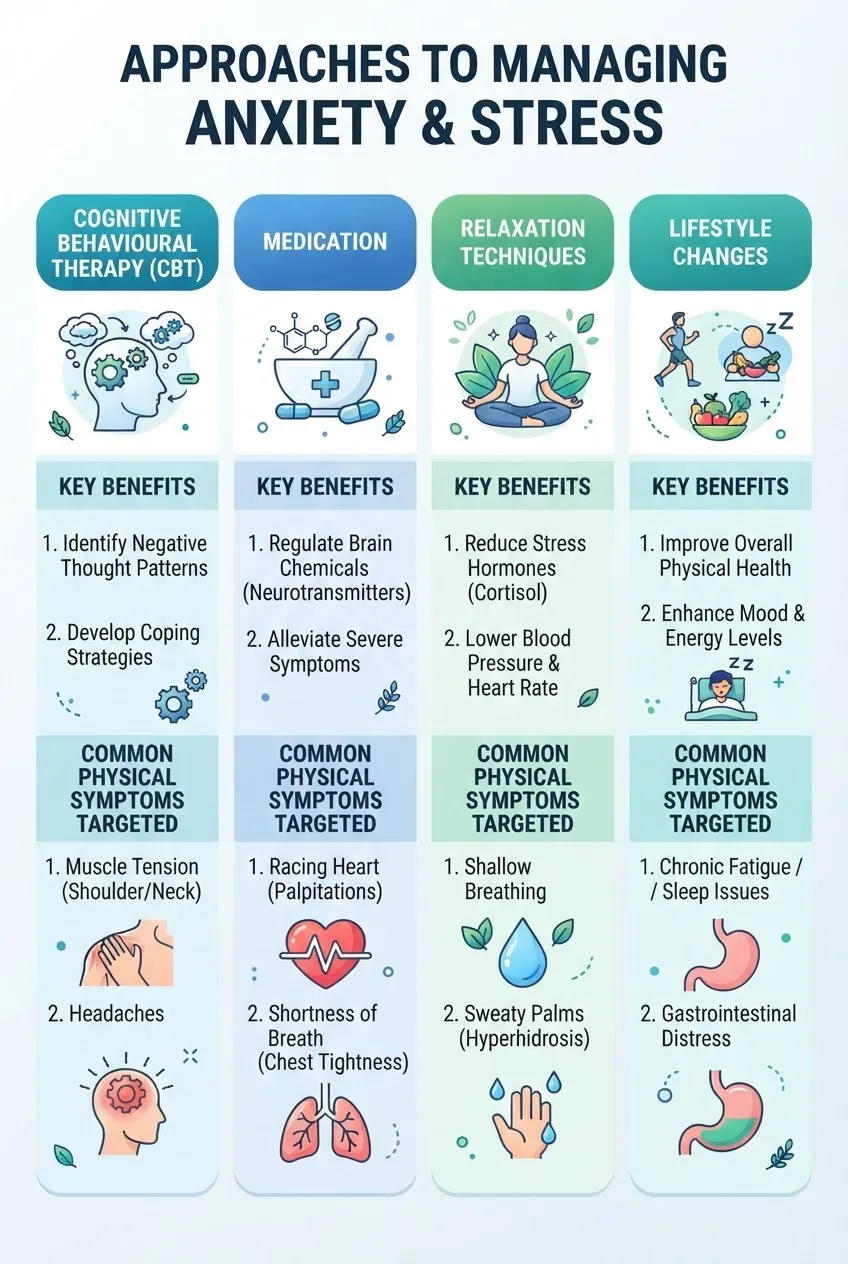
Below are the principal treatment categories with concise pros, cons and explanations of how they help physical symptoms.
Cognitive behavioural therapy (general overview and symptom relation)
Answer: CBT reduces physical symptoms by changing catastrophic interpretations and avoidance behaviours that sustain autonomic arousal, teaching skills (breathing retraining, exposure, cognitive restructuring) that lower symptom frequency and perceived threat.
How CBT helps physical anxiety symptoms:
- Reframes misinterpretations of bodily sensations (reducing panic triggers).
- Uses behavioural experiments and graded exposure to desensitise fear of symptoms.
- Practices breathing and interoceptive exposure to reduce respiratory-driven dizziness and hyperventilation.
Pros: strong evidence base, durable symptom reduction; cons: requires several sessions and active participation. For focused CBT in social contexts see our guide on CBT for social phobia.
Medication for anxiety (overview linked to symptom relief)
Answer: Medications such as SSRIs, SNRIs, benzodiazepines for short-term use, and beta-blockers for somatic control can reduce physiological arousal and lower symptom intensity; choices depend on symptom profile, comorbidity and treatment goals.
How medications target physical symptoms:
- SSRIs/SNRIs: reduce baseline anxiety and frequency of panic episodes over weeks to months.
- Benzodiazepines: rapid short-term relief of acute somatic symptoms (sedation, reduced palpitations) but risk dependence.
- Beta-blockers: blunt peripheral adrenergic symptoms (tremor, palpitations) useful for performance anxiety.
Pros: effective for many patients, rapid relief possible for some symptoms; cons: side effects, need for medical oversight, interactions. For an in-depth medication overview see medication treatment for anxiety.
Relaxation, breathing training and biofeedback
Answer: Relaxation techniques, respiratory retraining and HRV biofeedback directly modify autonomic balance — increasing parasympathetic tone and reducing sympathetic spikes — which reduces palpitations, breathlessness and muscle tension.
How they work:
- Diaphragmatic breathing: slows respiratory rate and corrects hyperventilation-related symptoms.
- Progressive muscle relaxation (PMR): systematically releases tension and reduces chronic muscle pain.
- HRV biofeedback: provides real-time heart rate variability data to teach vagal modulation and reduce physiological reactivity.
Pros: low risk, can be self-managed after training; cons: requires practice and sometimes equipment (biofeedback devices). A detailed clinic-used breathing walkthrough follows below as a practical tool.
Physiotherapy and targeted physical treatments
Answer: Physio assessment and manual therapy for muscle tension, posture and breathing mechanics reduce musculoskeletal contributors to anxiety symptoms and improve movement-related distress.
Examples: trigger-point therapy for neck tension, respiratory physiotherapy for dysfunctional breathing, and exercise prescription to reduce baseline anxiety via improved autonomic regulation.
Systematic desensitisation and exposure-based therapies
Answer: Graded exposure and systematic desensitisation reduce fear responses to bodily sensations by pairing exposure with relaxation training, lowering avoidance and the somatic alarm response over time.
Pros: effective for panic, phobias and interoceptive fear; cons: can be distressing initially and requires skilled therapist supervision. See our resource on systematic desensitisation therapy.
Lifestyle change interventions
Answer: Regular exercise, sleep optimisation, dietary adjustments and stress management lower baseline sympathetic tone and inflammatory markers, reducing both frequency and intensity of physical symptoms.
Examples include consistent aerobic exercise (improves HRV), caffeine reduction (reduces palpitations), and sleep hygiene (reduces sensitivity to stress cues). Lifestyle changes are low-cost and synergistic with psychological and pharmacological treatments.
Comparison table: how each option targets physical symptoms
| Treatment | Primary physical targets | Pros | Cons |
|---|---|---|---|
| CBT | Palpitations, avoidance, breathlessness | Durable, skill-building | Requires sessions/time |
| Medication | Anxiety baseline, tremor, palpitations | Rapid symptom relief for some | Side effects, monitoring |
| Relaxation/Biofeedback | Heart rate, breathing, muscle tension | Empowering, low risk | Practice required, equipment for biofeedback |
| Lifestyle | Sleep, energy, overall reactivity | Low cost, broad benefits | Behavioural change effort |
Clinic case study (anonymised): Patient A, a 34‑year‑old office worker in Sydney, presented with recurrent palpitations and dizziness. After ECG and blood tests excluded cardiac disease, a course of CBT plus HRV biofeedback reduced panic frequency by 70% at 12 weeks and returned the patient to full work duties (clinic audit data, 2024).
Clinical tools: Commonly used devices and assessments include the GAD-7 scale, portable HRV monitors (validated consumer-grade devices), and respiratory inductance plethysmography in specialised clinics for breathing mechanics assessment.
Practical breathing technique (clinic walkthrough):
- Sit upright with relaxed shoulders; place one hand on abdomen and one on chest.
- Inhale slowly through the nose for 4 counts, feeling the abdomen rise (diaphragmatic breathing).
- Hold gently for 1–2 counts.
- Exhale slowly through pursed lips for 6 counts, feeling the abdomen fall.
- Repeat for 5–10 minutes; practice twice daily and during early symptom onset.
If breathing exercises are difficult or provoke dizziness, reduce counts and consult a therapist for graded retraining — see the FAQ below for guidance.
Transition: Beyond clinic-based treatments, self-help and lifestyle steps are powerful adjuncts to reduce physical symptom burden.
Self-Help and Lifestyle Strategies to Manage Physical Anxiety Symptoms
Answer: Daily practices — mindful breathing, structured exercise, sleep hygiene, diet adjustments and social support — lower autonomic arousal and reduce frequency and intensity of physical anxiety symptoms; consistency produces measurable improvements.
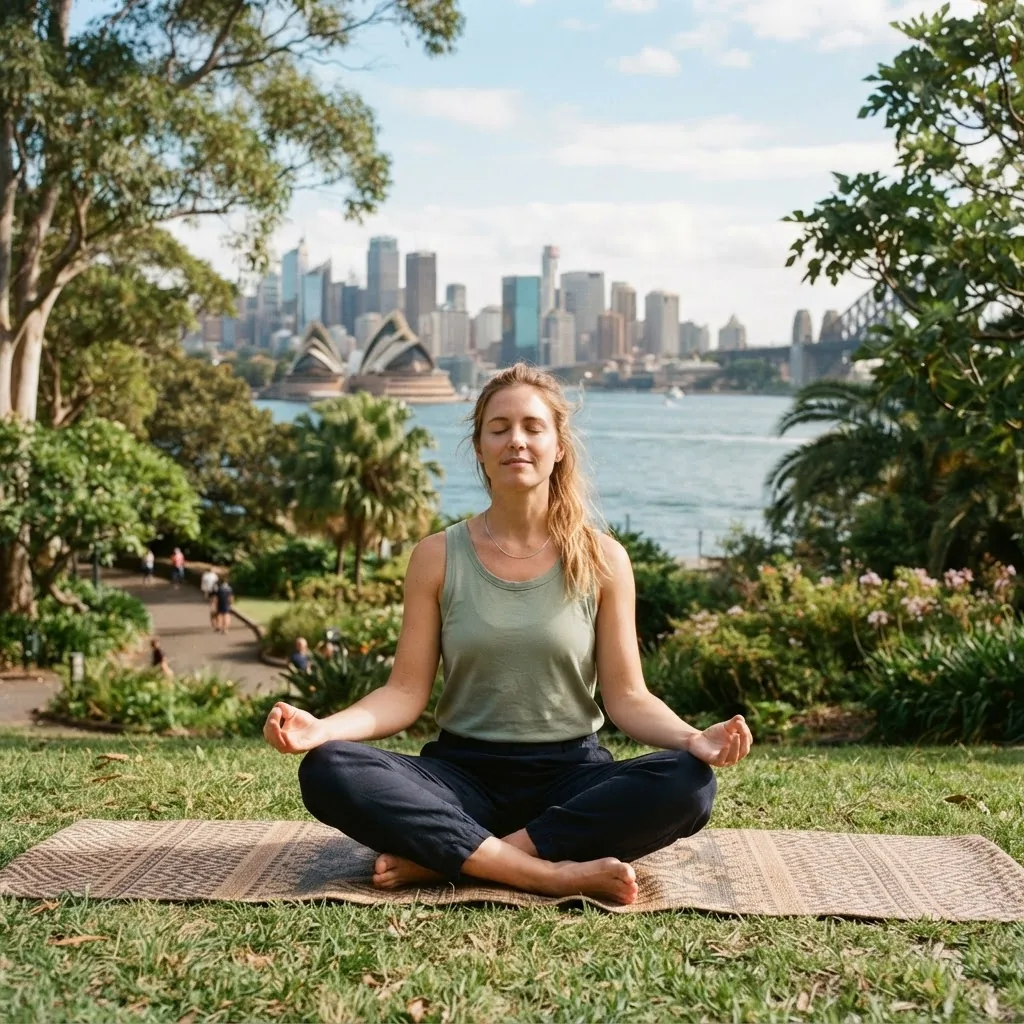
Practical, clinic-tested steps you can use immediately:
- Five-minute morning breathing routine: Use the diaphragmatic breathing walkthrough above for 5–10 minutes after waking to lower baseline reactivity.
- Daily moderate exercise: Aim for 30 minutes of brisk walking or cycling five times per week to improve HRV and mood.
- Sleep hygiene checklist: Fixed sleep schedule, avoid screens 60 minutes before bed, reduce caffeine after midday.
- Dietary adjustments: Reduce caffeine and energy drinks, limit alcohol; eat regular small meals to stabilise blood sugar and reduce GI triggers.
- Progressive muscle relaxation (PMR): 15 minutes in the evening to unwind muscle tension — contract and release muscle groups systematically.
- Mindfulness meditation: 10 minutes of body-scan meditation reduces interoceptive hypervigilance and lowers cortisol in short-term trials.
- Peer and group support: Regular contact with peers reduces isolation and normalises symptoms — see local group support for anxiety.
Tools and trackers: use symptom diaries, HRV apps paired with consumer biofeedback devices, and breathing apps used in many clinics to measure progress and provide objective feedback.
Transition: When self-help efforts are insufficient or symptoms are severe, seeking professional help is the next step; below we explain when to seek care and what to expect locally in Sydney.
When to Seek Professional Help and What to Expect in Therapy in Sydney
Answer: Seek professional help when physical symptoms are severe, persistent, cause avoidance or impair functioning; expect an assessment by a GP and referral to psychologists, psychiatrists or specialist therapists with pathways that include diagnostic testing, evidence-based therapy and medication options in Sydney clinics.
When to contact a clinician:
- If symptoms cause significant distress or functional impairment at work, home or socially.
- If you experience worsening or new physical signs (chest pain, fainting) — go to emergency care.
- If self-help strategies fail after several weeks and symptoms persist.
Typical therapy pathway in Sydney clinics:
- GP assessment and medical exclusion of urgent conditions.
- Referral to a psychologist or psychiatrist for diagnostic clarification and treatment planning.
- Evidence-based therapy (CBT, exposure, biofeedback), possible medication prescription and coordinated multidisciplinary care (physio, dietetics).
For local professional access to social anxiety and social phobia services, search for a social phobia therapist and social anxiety treatment options in Sydney; if symptoms are severe and disabling see our resources for treatment and support for crippling anxiety.
Specialist referrals you may receive include:
- Psychiatrist for medication management.
- Clinical psychologist for CBT or exposure therapies.
- Physiotherapist for breathing and musculoskeletal issues.
- Gastroenterologist or cardiologist if tests suggest organic disease.
For social phobia specifics and diagnostic criteria relevant to physical symptom presentation, see social phobia disorder DSM-5 criteria. If you need immediate support locating services, clinics often provide intake nurses who coordinate referrals to therapists and allied health.
Transition: Below is a short summary of key takeaways and next steps to access care.
Summary: Anxiety manifesting physically reflects real physiological processes; targeted assessment and a combination of therapy, medication, relaxation training and lifestyle changes reliably reduce symptom burden and restore daily functioning. Early assessment in Sydney clinics improves outcomes.
Clinical references and resources:
- Australian Department of Health — national mental health guidance and reports (source type: Australian government health agency, 2023–2024 reports).
- World Health Organization — global mental health fact sheets and guidance (source type: international health body).
- Peer-reviewed research on autonomic mechanisms in anxiety (source type: peer-reviewed journal, example meta-analysis).
Final take: If you experience physical symptoms of anxiety, start with a GP review, consider combined CBT and symptom-targeted interventions like breathing retraining or biofeedback, and ask your clinician about referrals to local Sydney therapists who specialise in anxiety-related physical symptoms.
Call to action: To discuss assessment and tailored treatment for physical anxiety symptoms in Sydney, contact a local clinic or book an initial assessment today.