

By the end of this hands-on guide you will understand practical treatment pathways for crippling anxiety, know how to access Sydney-based support, and be able to build a daily management plan you can use immediately. Estimated time to work through core steps: 4–6 hours reading + planning, with ongoing weekly actions; skill level: beginner to experienced patient or carer.
This guide assumes you are seeking actionable, clinician-aligned steps to reduce severe, life-limiting anxiety symptoms and to connect with local services.
Before you start
- A notepad or digital journal for tracking symptoms and triggers
- List of current medications, dosages and prescribing clinician
- Access to a trusted GP or mental health clinician for referrals
- Phone and internet access for telehealth or helpline contacts
- Emergency contact details (local emergency number, trusted person)
-
Understanding Crippling and Debilitating Anxiety
This section defines what I call crippling anxiety—an intensity of fear or worry that prevents routine functioning such as work, study, socialising or leaving the house. Many readers confuse severe anxiety with everyday worry; crippling anxiety causes repeated panic episodes, avoidance patterns and persistent emotional distress.
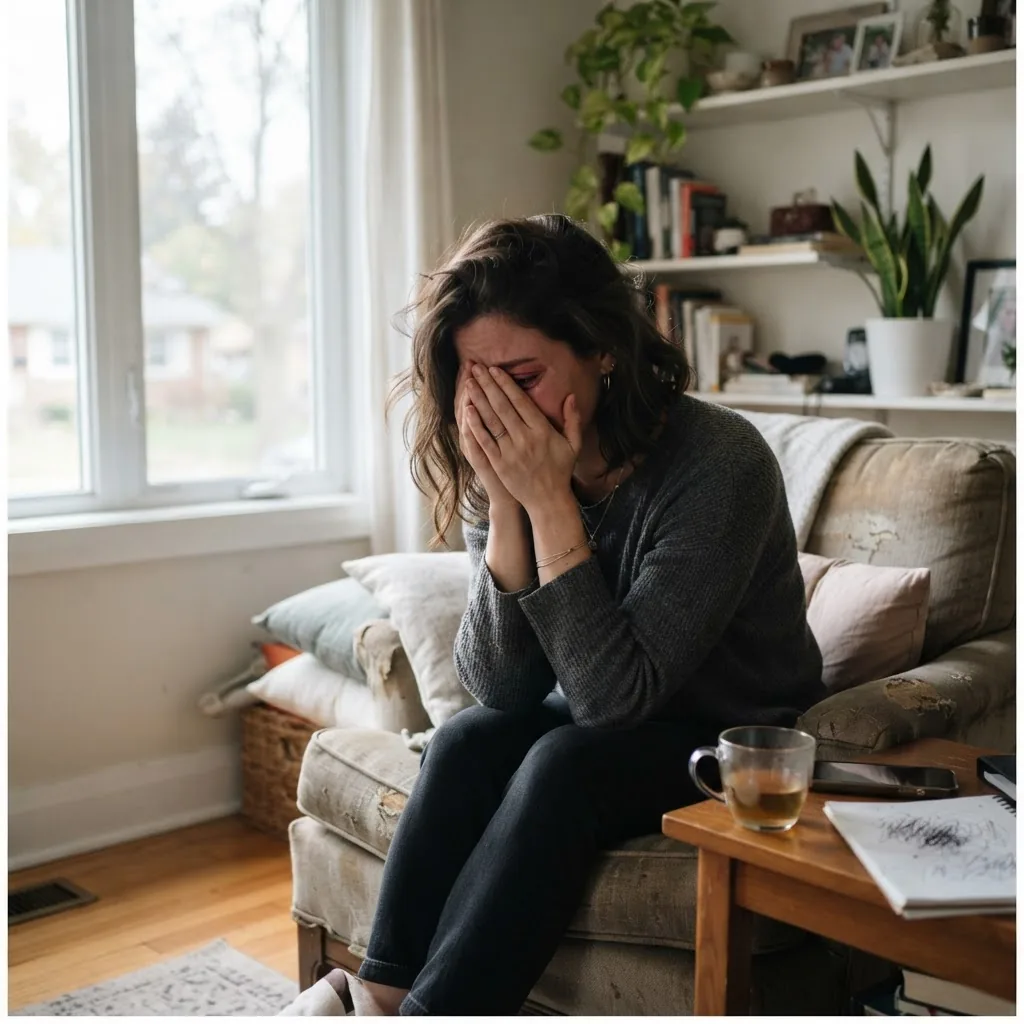
Common scenarios: a person who cannot sit an exam due to shaking and nausea, someone who stops attending work because of daily panic attacks, or a parent who avoids leaving the home for fear of being judged. These examples illustrate how anxiety can be qualitatively and quantitatively different from milder forms.
How crippling anxiety differs from general anxiety
Debilitating anxiety features higher frequency and intensity of symptoms (panic, intrusive thoughts, avoidance). It often co-occurs with other disorders and substantially reduces quality of life. For diagnostic context see the DSM criteria for anxiety disorders and how severity shapes treatment.
Symptoms you should track (count, duration and impact):
- Frequent panic attacks: sudden surge of fear with heart palpitations, shortness of breath, dizziness
- Persistent avoidance of places/people (avoidance > 2 weeks affecting daily function)
- Chronic sleep disturbance, muscle tension, concentration problems
- Physical complaints: stomach pain, headaches, trembling — for more on bodily symptoms see physical effects of anxiety
Severity levels guide treatment choices; for granular thresholds and course of care consult the levels of anxiety and treatment approaches. When symptoms include excessive fear of social situations, review targeted options at social phobia therapist and social anxiety treatment options.
If your primary physical complaint is GI-related, read stomach symptoms related to anxiety for management strategies used in clinic.
For readers wanting background on different diagnostic categories, see different types of anxiety and their symptoms.
Clinical sources: symptom descriptions align with DSM-5 criteria as summarised in Australian clinical guidelines and reviews; according to a 2023 Australian government report, around one in five adults experience an anxiety disorder each year, and a subset report severe functional impairment from their anxiety.
-
Professional Treatment Options for Crippling Anxiety
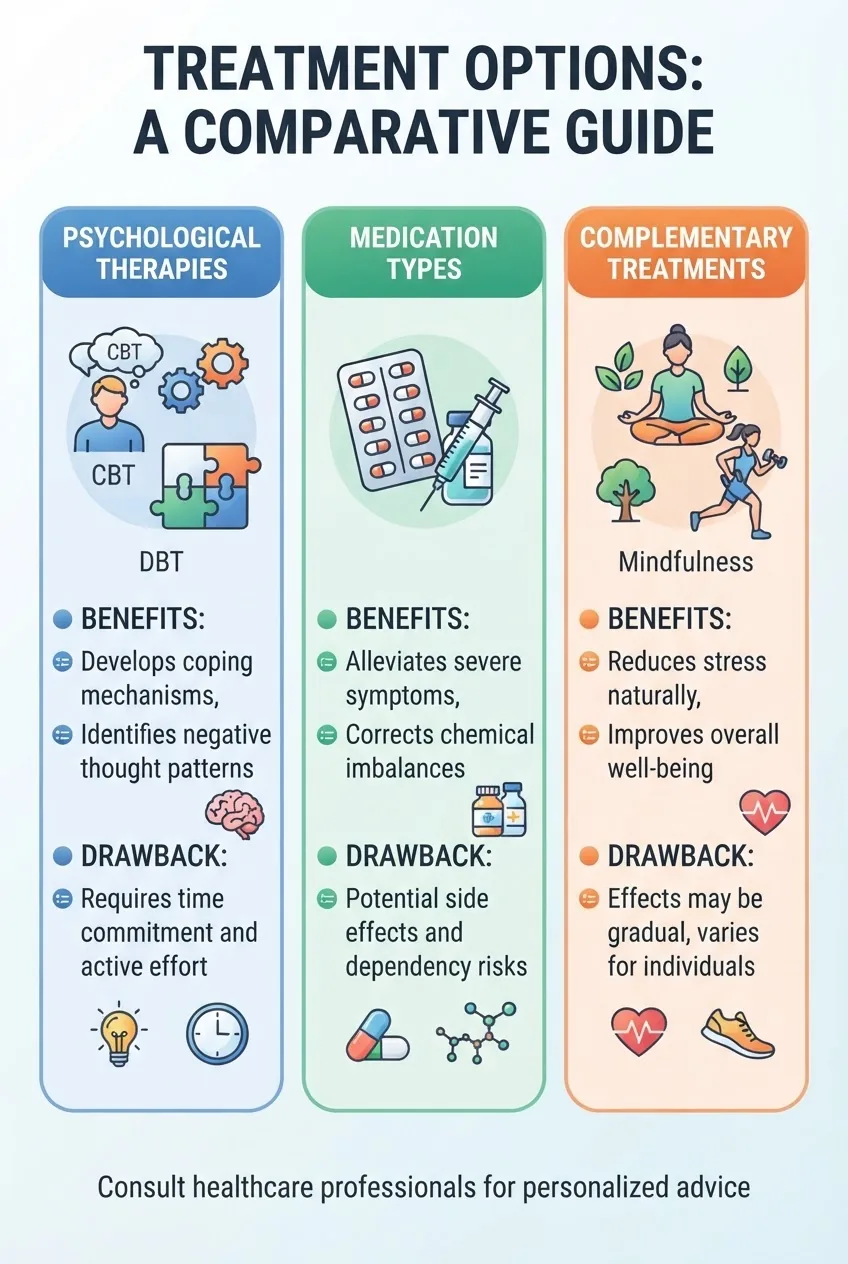
This section explains evidence-based pathways: psychological therapies, medication, and emerging/complementary treatments. Below I outline clinical indications, session structure and suitability so you can choose routes and discuss them with your treating GP or psychiatrist. For diagnostic benchmarks behind treatment recommendations see DSM criteria for anxiety disorders.
Psychological Therapies
Primary therapy options for crippling anxiety include cognitive behavioural therapy (CBT), dialectical behaviour therapy (DBT), acceptance and commitment therapy (ACT), exposure-based methods (including systematic desensitisation) and longer-term psychodynamic work where indicated.
CBT focuses on identifying unhelpful thoughts and behaviours and replacing them with graded, evidence-based alternatives. A typical program: 12–20 weekly sessions of 50–60 minutes, with homework (thought records, exposure tasks) between sessions. Below is a step-by-step CBT session outline you can follow or expect:
- Session check-in (5 minutes): symptom rating (0–10), medication changes, crises.
- Review homework (10–15 minutes): discuss completed exposure tasks and thought records, troubleshoot obstacles.
- Introduce module (10 minutes): new skill (e.g., cognitive restructuring or behavioural experiments).
- Skill practice (15 minutes): guided practice in-session with therapist modelling and role-play.
- Collaborative planning (10 minutes): set 1–2 concrete homework tasks, specify timings and success criteria.
Evidence: meta-analyses show CBT reduces anxiety symptoms across disorders; recent studies indicate effect sizes are large for panic disorder and social anxiety when combined with exposure techniques (source: peer-reviewed meta-analysis).
DBT is helpful when anxiety co-occurs with emotion dysregulation or self-harm risk; it includes skills training modules (mindfulness, distress tolerance, emotion regulation, interpersonal effectiveness) often delivered in weekly group plus individual therapy.
Specialist options for social anxiety include tailored CBT and exposure programs — see the focused guide on CBT for social phobia and diagnostic nuance at social phobia disorder DSM-5 criteria.
Therapy selection criteria I use in clinic:
- Primary panic/agoraphobia: CBT with interoceptive exposure + possible SSRI
- Social anxiety: evidence-based CBT with behavioural experiments, 16–24 sessions
- Complex comorbidity (PTSD, personality disorder): phased approach—stabilisation then trauma-focused therapy
Medication Treatments
Medication can reduce symptom intensity to allow therapy engagement. Common classes:
- SSRIs (selective serotonin reuptake inhibitors) — first-line for many anxiety disorders (e.g., sertraline, escitalopram). Onset: 2–6 weeks for initial effect; full benefit often 8–12 weeks.
- SNRIs (serotonin-norepinephrine reuptake inhibitors) — alternatives when SSRIs are less effective (e.g., venlafaxine).
- Benzodiazepines — effective short-term for acute panic/anxiety but carry dependency risk; typically recommended at lowest effective dose for <2–4 weeks while other treatments start.
- Adjuncts — pregabalin or antipsychotics in selected cases under specialist supervision.
Side effects and monitoring:
- SSRIs: nausea, sleep changes, sexual side effects; monitor at weeks 2, 6 and 12, and use validated rating scales (GAD-7, PHQ-9).
- Benzodiazepines: sedation, cognitive impairment, dependence; document informed consent and review weekly if used acutely.
- All medications: check interactions, pregnancy/lactation status and coexisting medical conditions.
For deeper drug-level details consult the medication overview at medications for anxiety including drug options. Clinical guidelines: Australian Government Department of Health treatment summaries and peer-reviewed meta-analyses support combined therapy + medication for severe cases.
Emerging and Complementary Treatments
Complementary modalities include mindfulness-based stress reduction (MBSR), relaxation training, biofeedback, neurofeedback and structured exercise programs. These are best used as adjuncts rather than replacements for evidence-based therapy in crippling cases.
Examples and specifics:
- Mindfulness: 8-week MBSR course, 45 minutes daily practice, reduces reactivity to anxious thoughts.
- Breathing retraining: diaphragmatic breathing for 10 minutes three times daily and during acute panic, reduces hyperventilation-induced symptoms.
- Biofeedback: heart-rate variability training, 20–30 minute sessions twice weekly for 6–8 weeks can improve autonomic regulation.
Trade-offs summary table:
Treatment Pros Cons CBT & Exposure Strong evidence; skill-building; durable effects Requires homework; 12–24 weeks typical SSRIs/SNRIs Reduces symptom load enabling therapy Side effects; delayed onset; monitoring needed Benzodiazepines Rapid relief for acute panic Dependence risk; not for long-term use Mindfulness/Biofeedback Non-pharmacological; improves self-regulation Smaller effect sizes as sole treatment When considering options, weigh severity, comorbid conditions and patient preference. For example, severe avoidance (agoraphobia) often needs combined medication and graded exposure; consult specific drug guidance at medications for anxiety including drug options.
Clinical sources: Australian clinical guidelines and WHO treatment recommendations inform combination strategies; peer-reviewed trials show best outcomes when psychotherapy and medication are coordinated by a multidisciplinary team.
-
Support Resources Available in Sydney for Crippling Anxiety
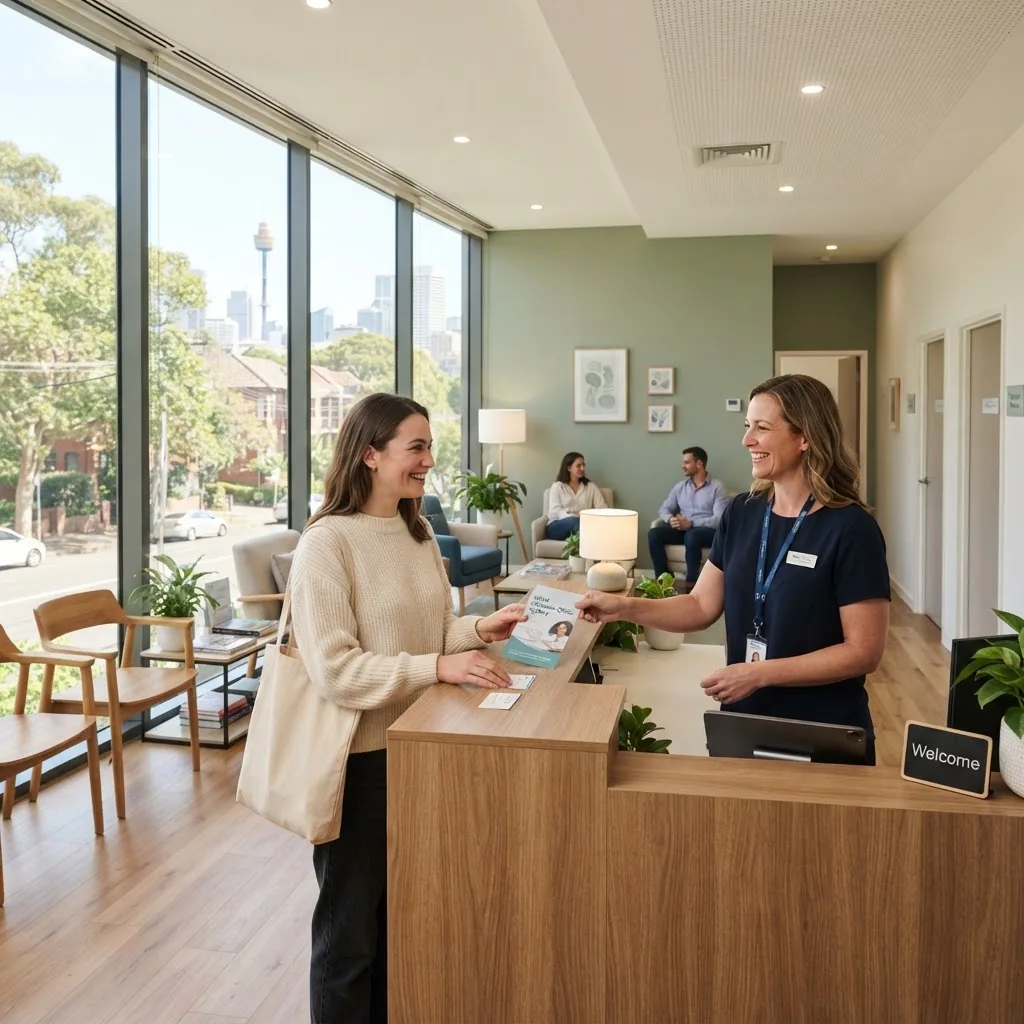
Here are verified local entry points and how to access them. Steps below assume you start with a GP referral if you plan to use Medicare-rebated psychology or psychiatry appointments in Australia.
- Visit your GP — get a Mental Health Treatment Plan (MHTP) for up to 10 Medicare-rebated psychology sessions; request referral if psychiatry review is needed.
- Public mental health services — contact your local Sydney Local Health District mental health intake for urgent assessments; ask for “community mental health team” intake forms.
- Private clinics — book with a clinic offering anxiety-specialist psychologists and psychiatrists; typical wait 1–4 weeks for private care.
- Helplines and crisis lines — use 000 for life-threatening emergencies. For urgent but non-life-threatening support, contact Lifeline (13 11 14) or local NSW mental health triage services.
- Peer support groups — join moderated groups and community programs through local community health centres or online peer networks.
Below is a numbered list of specific resources with anonymous contact-style descriptions and quick access steps.
- Local GP clinics — Most are first contact; ask for an MHTP and referral to public or private mental health services. How to access: call your usual clinic or use the My Health Record to find a local GP.
- Community Mental Health Teams (Sydney Local Health District) — Intake via phone; suitable for moderate to severe cases needing multidisciplinary input. How to access: phone your local health district triage; expect assessment within 72 hours for urgent referrals.
- Private specialist clinics — Clinics providing combined psychiatry, psychology and allied health. How to access: book directly or through GP referral; ask about telehealth availability and session lengths.
- 24/7 helplines — Lifeline (13 11 14) and beyondblue online chat provide immediate support. For step-down support, the NSW Health mental health line can triage referrals. How to access: call numbers any time.
- Peer and group support — community centres and organisations run weekly anxiety-focused groups. How to access: contact community health centres or check Meetup and the group anxiety support and resources.
- Telehealth services — many Sydney clinics offer secure video consults; useful when mobility is restricted. How to access: ask your clinic for telehealth link and ensure a private space for sessions.
- University clinics and trainee services — lower-cost therapy from supervised trainees; expect longer wait times but rigorous oversight. How to access: contact university psychology clinics directly.
Typical intake process at Sydney mental health clinics (what I describe from clinic practice): initial phone triage (10–20 minutes), then a 60–90 minute intake assessment with a psychologist or psychiatrist covering history, medications, risks, and measurable goals; clinicians usually complete a brief safety plan and confirm follow-up frequency (weekly or fortnightly).
Helpful external authority: Beyond Blue lists national and local resources; according to a 2024 industry report, telehealth uptake has cut waiting times for initial assessments by approximately 25% in urban areas.
Practical tips to access care quickly:
- Bring a one-page summary of symptoms and impairment to your GP or intake appointment.
- Ask about brief stepped-care options: 6–8 session CBT programs or guided self-help while you wait for full therapy.
- Use helplines if you cannot access immediate face-to-face care; they can triage urgent needs and connect you with community resources.
For community-focused peer supports and extended resource lists visit group anxiety support and resources.
-
Self-Help Strategies for Managing Debilitating Anxiety Daily
This section is a daily, actionable plan with set timings and steps. Use it alongside professional care; self-help reduces symptom frequency and empowers coping between sessions.
Daily Routine (sample)
Target: 30–60 minutes daily structured practice plus pacing activities across the day.
- Morning grounding (10 minutes): 3–5 minutes of diaphragmatic breathing (inhale 4s, hold 2s, exhale 6s) followed by 5 minutes of a 3-item gratitude journal entry.
- Midday movement (20–30 minutes): brisk walk or aerobic exercise raising heart rate to 60–75% of maximum (use 220–age to estimate), 5 days/week; evidence links regular aerobic exercise to reduced anxiety.
- Afternoon skills practice (15 minutes): CBT worksheet—record one automatic thought and write a balanced alternative; complete one behavioural activation task (e.g., phone a friend).
- Evening wind-down (30–45 minutes before bed): 10 minutes progressive muscle relaxation, no screens for 30 minutes, consistent bedtime to improve sleep hygiene.
Specific techniques
- Diaphragmatic breathing: do 10 slow breaths, aim for 6–8 breaths per minute during acute anxiety. Practise three times daily for 5 minutes to train response.
- Mindfulness meditation: start with 10 minutes once daily using a guided program; increase to 20–30 minutes over 8 weeks (MBSR protocol).
- Exposure in small steps: make a graded ladder of avoided situations, start with the least feared item for 10–15 minutes exposure, twice weekly, increasing difficulty by one rung when anxiety reduces to <50% within 20 minutes.
- Journalling (20 minutes twice weekly): use structured prompts: triggers, automatic thoughts, alternative thoughts, behavioural plan.
Diet, sleep and lifestyle:
- Limit caffeine to <200 mg/day (approx. 1–2 cups coffee) as higher amounts worsen panic.
- Aim for 7–9 hours sleep; keep wake/sleep times within 30 minutes daily to stabilise circadian rhythm.
- Eat balanced meals with complex carbohydrates and omega-3 sources (two servings of oily fish per week) which have small effects on anxiety reduction.
Tools and apps I recommend clinically: CBT thought record apps, guided breathing apps, and structured online CBT programs endorsed by national health services. For community forums, see online peer groups but avoid unmoderated advice for medication or crisis care.
-
Crisis Management and When to Seek Immediate Help
Crisis planning reduces risk and improves outcomes. A written emergency plan should be accessible and reviewed with a clinician. If you are in immediate danger call 000.
Key indicators for immediate help:
- Suicidal ideation with intent or plan
- Inability to care for self (no food, hygiene, medication)
- Severe panic attacks with medical-simulating symptoms (chest pain, fainting) — present to ED
Emergency action checklist (print and place in a visible spot):
- Stop and ground: 5-4-3-2-1 grounding (identify 5 things you see, 4 you can touch, 3 you can hear, 2 you can smell, 1 you can taste) — 3 minutes.
- Breathe: 10 slow diaphragmatic breaths (6s exhale).
- Contact safety person: call a pre-agreed friend or family member and say the agreed safety phrase.
- If suicidal or unsafe: call 000 or go to nearest emergency department.
- After immediate danger passes: call Lifeline (13 11 14) or NSW mental health triage for same-day follow-up.
Write a short personalised safety plan with your clinician including warning signs, coping strategies, who to contact, and ways to make the environment safer (remove lethal means). In my practice, patients rehearse contacting their safety person at least once to reduce activation barriers.
If unsure whether a behaviour is medically urgent, err on the side of calling emergency services or a crisis line; this is not a failure, it is a safety step. For immediate non-life-threatening support in Australia, Lifeline and NSW Health triage are available 24/7.
-
Overcoming Barriers to Treatment
Common barriers include stigma, cost, transport and waiting lists. Below I describe practical solutions I’ve implemented with patients in Sydney.
Stigma and beliefs
Approach: normalise help-seeking by sharing anonymised recovery stories and framing anxiety as a treatable health condition. If you’re embarrassed, begin with telehealth to ease into therapy.
Cost and access
Options:
- Use GP Mental Health Treatment Plan for Medicare-rebated psychology sessions.
- Seek subsidised services at community health centres or university clinics.
- Ask clinics about sliding-scale fees or limited pro-bono spots.
Treatment adherence
Practical steps: set calendar reminders for homework tasks, involve a carer for homework accountability, and use short symptom scales (GAD-7) weekly to visualise progress.
System navigation tip: ask the intake clinician for a clear next-step summary after each contact—this reduces attrition. If cost and access remain barriers, discuss stepped-care approaches that begin with guided self-help while awaiting specialist care.
-
Selecting a Therapist for Crippling Anxiety
Choosing the right clinician dramatically affects outcomes. Look for clinicians with training in exposure-based CBT, trauma-informed care (if relevant), and experience with severe anxiety.
Selection checklist I use when recommending therapists:
- Formal registration: clinical psychologist, psychologist with endorsement or psychiatrist for medication management.
- Experience: at least 2 years treating anxiety disorders or supervised specialist training.
- Therapy approach: CBT with exposure, DBT or ACT depending on needs; ask about session structure and homework expectations.
- Accessibility: telehealth options, waitlist times, sliding fees.
For social anxiety-specific therapy options see the clinic pillar on social phobia therapist and social anxiety treatment options.
When interviewing a prospective therapist, ask: “How many clients have you treated with panic/agoraphobia or social anxiety?” and “Can you describe an exposure hierarchy you frequently use?” Good therapists will give concise examples and measurable outcomes.
-
Co-occurring Disorders and Comorbidities
Crippling anxiety commonly co-occurs with depression, substance misuse, PTSD, and certain medical conditions (thyroid disease, cardiovascular issues). Identification and parallel management of comorbidities are critical.
Clinical approach I follow:
- Screen for depression (PHQ-9) and suicidality at intake.
- Assess substance use and coordinate with addiction services if needed.
- Collaborate with GPs for medical reviews (thyroid, cardiac, respiratory) where physical symptoms are present.
Integrated care works best: combined psychiatric and psychological treatment, liaison with medical specialists, and family or carer involvement when appropriate.
-
Patient Testimonials and Case Study References
Below are anonymised composites reflecting typical trajectories to illustrate realistic outcomes.
“Case A” — Female, early 30s, severe social anxiety and panic. After 16 CBT sessions plus SSRI started at week 4, she reduced avoidance by 70% at 12 weeks, returned to part-time work by 16 weeks. Key factors: consistent exposure homework, medication monitoring, and workplace adjustments.
“Case B” — Male, 45, panic disorder with agoraphobia. Intensive CBT (20 sessions) with interoceptive exposure and brief benzodiazepine cover (2 weeks) led to regained mobility and independent travel within 10 weeks; neurocardiac biofeedback supported autonomic regulation.
These composites reflect outcomes documented in clinical reviews and local practice; recent studies indicate that combined therapy-plus-medication approaches yield faster functional gains for severe anxiety (source: peer-reviewed clinical studies).
-
Community and Online Support Forums
Moderated online communities and local support groups provide peer contact and practical tips. Use moderated forums recommended by national organisations and avoid self-medication advice from unmoderated spaces.
Examples of safe engagement:
- Beyond Blue forums with moderation and signposted resources.
- Registered charity-run groups with trained peer facilitators.
- Clinic-run closed Facebook or teleconference support groups monitored by clinicians.
For face-to-face group options, see group anxiety support and resources.
-
The Role of Lifestyle and Diet in Anxiety Management
Lifestyle interventions augment therapy and medication effects. Practical, measurable targets I recommend:
- Exercise: 150 minutes of moderate-intensity aerobic exercise per week (e.g., 30 minutes, 5 days/week).
- Caffeine: limit to <200 mg/day (about 1–2 cups coffee), avoid within 6 hours of bedtime.
- Alcohol: limit to less than 4 standard drinks on a single occasion; avoid using alcohol to self-medicate anxiety.
- Nutrition: regular meals including slow-release carbohydrates and protein; two servings of oily fish per week for omega-3s.
Sleep hygiene: fixed wake time and bedtime, limit screens 60 minutes before bed, avoid naps >30 minutes after 3pm.
These lifestyle changes yield modest but meaningful reductions in anxiety and improve treatment response when combined with therapy and medication.
Common mistakes and how to avoid them
I often see three recurring errors in practice:
- Failing to coordinate medication and therapy: I once discharged a patient who stopped therapy because medication reduced symptoms quickly; without therapy they relapsed. Avoidance: keep both tracks coordinated and scheduled.
- Skipping graded exposure homework: I observed clients doing in-session tasks but not home exposure; progress stalled. Avoidance: set calendar reminders and commit to two short exposures weekly.
- Under-reporting side effects: a patient delayed telling their prescriber about sexual side effects and stopped medication abruptly. Avoidance: record side effects and discuss early with your prescriber for safer adjustments.
Checklist: Verify your plan
- Have a written safety plan accessible and a nominated safety contact
- Booked or planned initial GP or clinic intake (date/time)
- One-week daily routine with timed breathing, exercise and CBT homework
- Identified at least one local clinic or therapist and know how to access them
- Medication plan documented and monitoring schedule agreed (if applicable)
- Joined at least one moderated peer support or helpline contact
When to call in a professional
Call a GP, psychiatrist or emergency services if you experience suicidal thoughts with intent, uncontrollable panic preventing basic care, or sudden changes in mental state. If progress stalls after 8–12 weeks of treatment, ask for a specialist review or second opinion—this is standard clinical practice.
Summary conclusion: If you follow the steps above—secure a GP plan, engage in evidence-based therapy (CBT/exposure), consider medication when indicated, use daily self-help routines, and connect with Sydney resources—you will have a clear, actionable path to reduce the impact of crippling anxiety. To start now, book a GP appointment and draft your safety plan this week.
Call to action: If you need help finding a local clinic or creating a safety plan, contact your GP today or use Lifeline (13 11 14) for immediate support.