

Sertraline can reduce anxiety and depressive symptoms but commonly causes nausea, sleep changes and sexual side effects; most settle within weeks, while some long-term effects (weight changes, emotional blunting) require monitoring and dose review with a clinician. This guide focuses on side effects, dosing for anxiety, and Australian clinic practice.
Introduction to Sertraline for Anxiety and Depression
Answer: Sertraline is an SSRI frequently prescribed in Australia for anxiety disorders and depression; it is effective for social anxiety disorder, panic disorder and generalized anxiety, but patients should weigh benefits against common side effects and monitor response with their GP or psychiatrist.
Term: SSRI — a selective serotonin reuptake inhibitor, a class of antidepressant that increases serotonin availability in the brain by blocking its reabsorption into neurons.
Sertraline’s role in anxiety treatment is well-established in Australian practice guidelines: it is listed among first-line pharmacologic options for several anxiety disorders and used alongside psychological therapies. Prescribers in clinics across Sydney and other Australian cities commonly start with low doses and titrate while monitoring side effects, sleep and functional improvement.
Clinical context and evidence: According to a 2022 Royal Australian and New Zealand College of Psychiatrists (RANZCP) clinical guideline summary, SSRIs including sertraline have strong evidence for treating common anxiety disorders when combined with cognitive-behavioural therapy where possible. For regulatory status, the Therapeutic Goods Administration (TGA) provides approved indications and safety information for sertraline in Australia.
Find comparative medication choices at Top 10 Antidepressants Australia and review alternatives in best antidepressants for anxiety.
Transition: The next section explains what sertraline is, common brand names used in Australia and how it sits within antidepressant classes so readers can recognise equivalents on prescriptions.
What is Sertraline? Therapeutic Class and Other Names
Answer: Sertraline is a generic SSRI antidepressant commonly prescribed for anxiety and depression; in Australia it appears under the generic name and the brand name Zoloft (and occasionally other brands), and belongs to the SSRI therapeutic class alongside fluoxetine and citalopram.
Term: Generic sertraline — the non-brand name of the drug active ingredient; brand names are manufactured versions sold under trademarks.
- Common names and brands:
- Zoloft (brand)
- Sertraline hydrochloride (generic listing)
- Other locally supplied generics may appear on PBS or private prescriptions
mental health medications overview places sertraline within broader treatment choices; compare its class with SSRI drug classes and see alternatives in SSRI medications.
Clinical comparison table: the table below summarises sertraline vs commonly used SSRIs in Australia to aid recognition and prescribing comparisons; rows alternate for readability.
| Drug | Typical adult starting dose | Common anxiety indications |
|---|---|---|
| Sertraline | 50 mg daily (sometimes 25 mg for sensitive patients) | GAD, social anxiety, panic disorder, PTSD (off-label varies) |
| Fluoxetine (Prozac) | 20 mg daily | GAD, panic, OCD (varies) |
| Citalopram | 10–20 mg daily | GAD, depression with anxiety |
For background on alternative SSRI brand names and comparisons, see fluoxetine brand names and Prozac side effects.
Transition: Understanding sertraline’s class leads into how it works physiologically and why that impacts both symptom relief and side effects.
How Sertraline Works to Treat Anxiety and Depression
Answer: Sertraline treats anxiety and depression by inhibiting the reuptake of serotonin in the brain, increasing serotonin availability in the synaptic cleft, which over weeks modulates neural circuits involved in mood and anxiety and reduces symptoms in many patients.
Term: Serotonin reuptake inhibition — blocking the neuronal transporter that reabsorbs serotonin, thereby increasing its concentration and signaling between nerve cells.
Mechanism in more detail: Sertraline binds to the serotonin transporter (SERT) on presynaptic neurons, reducing reabsorption of serotonin (5-HT). This acute increase in synaptic serotonin triggers downstream adaptive changes: receptor regulation (e.g., 5-HT1A), altered gene expression, and neuroplasticity (synaptic growth), which together reduce anxiety and depressive symptoms over several weeks.
Clinical effect timeline: pharmacological action on serotonin occurs within hours, but symptomatic improvement for anxiety usually emerges between 2–6 weeks, with maximal benefit often by 8–12 weeks for many patients. This delay reflects the time needed for receptor-level adaptations and network-level changes.
Evidence and guidelines: Meta-analyses in clinical journals show sertraline reduces anxiety symptom severity versus placebo for generalized anxiety disorder and social anxiety disorder. For Australian practice, clinicians reference TGA product information and RANZCP guidance for dosing and monitoring. See the TGA product information for sertraline for regulatory details: Therapeutic Goods Administration.
Practical clinical note from Australian clinics: At Human Health Clinics in Sydney, prescribers explain the neurobiology briefly, emphasise the 2–6 week onset window, and set expectations for side effects that often appear sooner than therapeutic benefit; this framing improves adherence and reduces early discontinuation.
Transition: Next we outline practical, stepwise dosing guidance specific to anxiety treatment, including starting doses, titration and maintenance recommendations used by Australian clinicians.
Sertraline Dosage Guidelines for Anxiety
Answer: For adults with anxiety, start sertraline at 25–50 mg daily, increase every 1–2 weeks as tolerated to a typical maintenance range of 50–150 mg daily, and rarely exceed 200 mg; dose adjustments depend on clinical response, side effects and comorbid conditions.

-
Initial assessment and baseline checks (before first dose):
- Confirm diagnosis (e.g., GAD, panic disorder, social anxiety) and discuss psychological treatment options alongside medication.
- Baseline measures: blood pressure, weight, current medications, liver function if indicated, pregnancy risk assessment, and suicide risk screening.
- Document prior antidepressant response and drug allergies.
-
Starting dose strategies:
- Standard adult start: 50 mg once daily, typically in the morning or evening depending on sedation vs activation.
- Sensitive patients or elderly: 25 mg daily for 1–2 weeks, then increase to 50 mg if tolerated.
- Severe anxiety or panic with agitation: clinicians may start at 25 mg to reduce initial activation, then uptitrate.
-
Titration schedule and monitoring:
- Increase by 25–50 mg increments every 1–2 weeks depending on tolerability and symptom improvement.
- Typical monitored checkpoints: 2 weeks (side effects), 4–6 weeks (early response), 8–12 weeks (adequate trial).
- If side effects limit increase, consider maintaining current dose longer or dose-reduction strategies (split dosing or slower titration).
-
Maintenance dosing:
- Common maintenance range for anxiety: 50–150 mg daily.
- Max recommended dose: 200 mg daily (rarely used for anxiety; risk of adverse effects increases).
- Long-term responders may stay on the lowest effective dose; some require higher doses for full remission.
-
Special populations and dose adjustments:
- Older adults: start low (25 mg) and titrate slowly due to altered pharmacokinetics and fall risk.
- Renal impairment: no routine adjustment for mild-moderate impairment, monitor clinically; severe impairment requires specialist input.
- Pregnancy and breastfeeding: discuss risks/benefits with obstetric team; sertraline is commonly used in pregnancy but requires specialist consultation.
-
Switching or combining medications:
- When switching from another SSRI or SNRI, allow appropriate washout if clinically required (e.g., with MAOI interactions) and consult guidelines for safe cross-tapering.
- Avoid combining multiple serotonergic agents without specialist advice due to serotonin syndrome risk.
For comparison with other anxiety dosing strategies, see Effexor XR dosage.
-
Clinic-based dose adjustment protocol (case example):
Case: A 35‑year-old with GAD started sertraline 25 mg due to insomnia; after 2 weeks reported mild nausea but no improvement—dose increased to 50 mg at week 3, with nausea resolving by week 5 and a 40% symptom reduction by week 8. Monitoring included weekly check-ins for 4 weeks then monthly reviews.
-
When to consider specialist referral or augmentation:
- Insufficient response after 8–12 weeks at adequate dose—consider psychiatry review for augmentation or CBT access.
- Severe side effects, suicidal ideation, or complicated comorbidity—refer promptly.
Transition: Below, we expand on the side effects patients commonly experience and how clinicians in Australian clinics routinely manage them.
Common Sertraline Antidepressant Side Effects
Answer: The most common sertraline side effects are nausea, headache, sleep disturbance, sexual dysfunction and dizziness; most are mild to moderate and resolve within 1–4 weeks, but sexual side effects and sleep changes can persist and need active management.
Term: Side effects — unintended and potentially adverse effects caused by medication, varying by frequency and severity.
- Gastrointestinal upset (nausea, diarrhoea):
Frequency: common (reported in clinical trials). Onset: usually within first week. Management: take with food, start at lower dose, antiemetic if severe; typically resolves in 1–2 weeks.
- Headache:
Frequency: common. Management: simple analgesics (paracetamol), hydration, temporary dose hold rarely needed; usually short-lived.
- Sleep disturbance (insomnia or somnolence):
Some patients experience activation/insomnia initially, others sedation. Adjust timing of dose (morning for activation, evening for sedation) and review sleep hygiene. For persistent insomnia, consider therapy or switching drug class; see antidepressants for sleep for broader sleep-specific guidance.
- Sexual dysfunction (reduced libido, delayed ejaculation, anorgasmia):
Frequency: common and sometimes persistent. Management: dose reduction (if effective), drug holiday is NOT recommended without specialist advice, switching to another antidepressant with lower sexual side effect risk, or pharmacological adjuncts under psychiatry supervision.
- Dizziness and lightheadedness:
Often transient; counsel patients about orthostatic precautions, particularly if also on antihypertensives.
- Agitation or increased anxiety (early effect):
Some patients report increased anxiety or restlessness in the first 1–2 weeks; clinicians may dose-slow, use temporary short course benzodiazepine only when necessary, or switch therapy if severe.
- Sweating (hyperhidrosis):
Can occur and be bothersome; assess for alternative causes and consider dose review.
- Bleeding risk:
SSRIs including sertraline increase bleeding risk, especially with NSAIDs or anticoagulants; monitor and counsel patients with peptic ulcer history or on blood thinners.
- Rare but serious: serotonin syndrome:
Presentation: agitation, autonomic instability, neuromuscular changes; risk increases with polypharmacy (MAOI, tramadol, triptans). Immediate medical review required.
Gender-specific considerations: Women may experience heavier sexual side effects and menstrual irregularities; clinicians often discuss reproductive planning and pregnancy risks at initiation—see side effects in women for comparison of sex-specific patterns across SSRIs.
It is important to discuss any changes in mood or new symptoms with a healthcare provider when on sertraline, especially if they relate to depression. For more details on recognizing the symptoms of depression, see this dedicated article on the symptoms of depression.
Transition: The following section addresses long-term side effects and the trade-offs clinicians and patients discuss when continuing sertraline for months to years.
Long-Term Sertraline Side Effects and Considerations
Answer: Long-term sertraline use can be associated with weight change, emotional blunting, sexual dysfunction persistence and, rarely, cognitive or movement-related effects; regular monitoring and yearly medication reviews in primary care or psychiatry are standard in Australia to weigh benefits versus long-term risks.
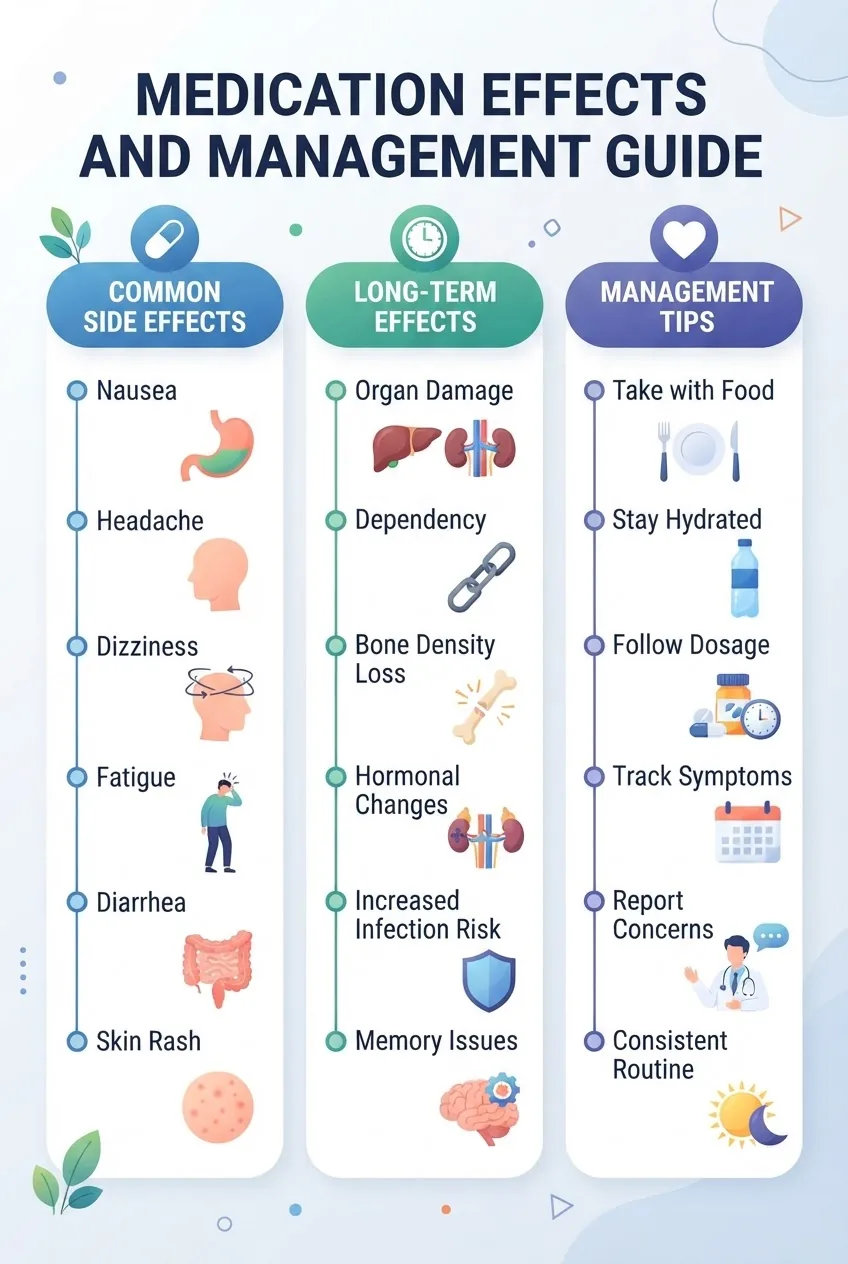
Long-term monitoring protocol (clinic practice):
- Review frequency: after stabilization, reviews every 3 months for the first year, then every 6–12 months for stable patients.
- Assessments at each review: mood/anxiety rating scales, sexual side effects, weight/BMI, sleep, medication adherence, alcohol/other drug use, and metabolic screening if clinically indicated.
- Documentation: maintain explicit treatment goals (symptom remission vs functional improvement) to guide long-term continuation or tapering.
Key long-term effects:
- Weight changes:
Potential for modest weight gain over months to years for some patients, while others may lose weight; lifestyle interventions and dietary counselling are recommended. See antidepressants and weight management and non weight-gaining antidepressants for options.
- Emotional blunting or reduced affect:
Some patients report feeling emotionally numb; trade-off discussions are crucial—sometimes dose reduction or switching can restore emotional range, but risk relapse. Further discussion on brain effects is available at long-term antidepressant safety.
- Persistent sexual dysfunction:
May continue while on treatment and, rarely, after stopping (post-SSRI sexual dysfunction described in literature); specialist input recommended for persistent cases.
- Cognitive effects:
Some patients report mild cognitive slowing; evidence is mixed and data limited—balance against symptom control and quality-of-life improvements.
- Bone density and hyponatraemia (elderly):
Long-term SSRI use has been associated with small increases in fracture risk and hyponatraemia in older adults; periodic electrolyte checks and fall-risk assessment are prudent for seniors.
Evidence limitations and transparency: Long-term data on SSRIs beyond 5–10 years are limited and heterogeneous; observational studies suggest associations (e.g., weight change), but causality is hard to establish. According to a 2023 systematic review in an international psychiatric journal, long-term adverse effect profiles vary and require individualised monitoring (source type: peer-reviewed clinical study, 2023).
Case scenario (Australian clinic):
A 48‑year‑old woman maintained on sertraline 100 mg for 3 years for social anxiety reported 6 kg weight gain and decreased emotional range. Clinic approach: comprehensive metabolic screen, referral to dietitian, psychosocial review, and discussion of switching to a lower-weight-gain antidepressant or dose reduction with close follow-up.
Transition: If side effects appear or persist, clinicians in Australia follow structured management steps—covered next—along with options for referral or alternative therapies.
Managing Side Effects: Tips and When to See a Doctor
Answer: Manage sertraline side effects with dose timing adjustments, symptomatic treatments (antiemetics, sleep hygiene), lifestyle changes and clinician review; seek urgent medical attention for severe symptoms (suicidal thoughts, severe rash, serotonin syndrome) and schedule GP or psychiatry review for persistent or bothersome effects.
Term: Tapering — gradually reducing medication dose to minimise withdrawal symptoms when stopping.
- Immediate practical steps for common side effects:
- Nausea: take with food, split dose, or temporarily reduce dose and retitrate.
- Insomnia: change dosing time to morning, reinforce sleep hygiene, avoid stimulants late in day.
- Sexual dysfunction: discuss openly; options include dose review, switching drugs, or adding treatments under specialist supervision.
- When to seek GP or psychiatric review:
See your clinician if you have severe or persistent side effects, thoughts of self-harm, severe agitation, or signs of serotonin syndrome (fever, rigidity, hyperreflexia). For access to prescriptions and ongoing monitoring in Australia, review eligibility and pathways in primary care; see GP prescribing antidepressants.
- Non-pharmacological measures:
- Exercise, diet, and sleep optimisation reduce anxiety and can mitigate weight gain.
- Psychotherapy (CBT) is effective and may allow lower medication doses.
- Mindfulness and pacing strategies reduce agitation and improve tolerance.
- Medication review and augmentation pathways:
For inadequate response or intolerable side effects, clinicians consider switching SSRIs, trying SNRIs, or augmentation (e.g., low-dose antipsychotic). Discuss advanced options like ketamine/esketamine for treatment-resistant cases—see alternative depression treatments and Esketamine treatment.
- Lifestyle and adjunctive options:
- Dietitian referral for weight changes, exercise prescription for mood and metabolic health.
- Consider mood stabiliser input if mood lability or bipolar spectrum features emerge—see mood stabilizer treatments.
- Discuss complementary options carefully—review natural antidepressant options.
- Accessing specialist care and advanced treatments:
Refer to psychiatry if side effects reduce functioning, sexual dysfunction persists, or there is treatment resistance; clinics in major Australian cities provide multidisciplinary reviews and long-term monitoring protocols similar to those used at Human Health Clinics in Sydney.
Transition: Next we review drug interactions and precautionary scenarios that change when sertraline is safe or risky to prescribe.
Potential Drug Interactions and Precautions with Sertraline
Answer: Sertraline interacts with other serotonergic drugs (risk of serotonin syndrome), MAO inhibitors (contraindicated), certain anticoagulants and NSAIDs (increased bleeding risk), and drugs that affect CYP enzymes; check all medicines and supplements before prescribing.
Key interaction warnings (bulleted):
- MAO inhibitors: Concomitant use is contraindicated; allow appropriate washout periods before switching to or from an MAOI.
- Other SSRIs/SNRIs/serotonergic agents: Combining increases serotonin syndrome risk—exercise caution and consult specialist guidance; see SNRIs comparison for alternative classes.
- Tricyclic antidepressants: Interactions and additive side effects possible—dose adjustments and monitoring required. See tricyclic antidepressants for interaction context.
- Anticoagulants and NSAIDs: Increased bleeding risk; monitor and counsel patients on signs of bleeding, especially those on warfarin or DOACs.
- Drugs affecting CYP2D6/3A4: Some medications alter sertraline metabolism; specialist review needed when combining with potent enzyme inhibitors or inducers.
- Alcohol and recreational drugs: Alcohol can worsen depression and cause sedation; counsel patients to avoid excess alcohol while medicated.
Clinical advice: Always review the patient’s full medication list, including over-the-counter and herbal supplements (e.g., St John’s wort increases serotonin syndrome risk). For authoritative prescribing cautions, refer to the TGA product information for sertraline and relevant clinical resources: Australian Department of Health.
Transition: When patients begin or stop sertraline, there are predictable timelines and steps to expect—covered in the next section with a practical timeline.
What to Expect When Starting or Stopping Sertraline
Answer: Starting sertraline commonly produces early side effects (nausea, insomnia) within days and symptom improvement over 2–8 weeks; stopping requires gradual taper (typically weeks) to reduce withdrawal-like discontinuation symptoms such as dizziness, vivid dreams and irritability.
Term: Withdrawal symptoms — discontinuation effects that can occur after reducing or stopping a drug that affects neurotransmitter systems.
-
Week 0–2 (initiation):
Common experiences: nausea, headache, insomnia or somnolence, mild agitation. Clinical action: reassurance, symptomatic treatment, consider slower titration if severe.
-
Week 2–6 (early response):
Expect gradual reduction in anxiety symptoms for many; side effects often diminish. Clinician checkpoint: review symptom scores, adherence, and side effects; adjust dose if inadequate response or intolerable side effects.
-
Week 6–12 (established response):
Significant symptom improvement in many patients; continue established dose for 6–12 months to reduce relapse risk depending on diagnosis and recurrence history.
-
Long-term maintenance (months to years):
Ongoing monitoring for weight changes, sexual dysfunction, and emotional blunting. Discuss continuation versus tapering after risk-benefit review.
-
Stopping and tapering process:
- Recommended approach: gradual dose reduction over weeks to months depending on dose and duration; typical clinic taper reduces dose by 25–50% every 1–2 weeks while monitoring symptoms.
- Discontinuation symptoms: dizziness, paraesthesia (“brain zaps”), vivid dreams, irritability, flu-like symptoms; these are usually transient but can be distressing.
- Severe withdrawal or relapse: if discontinuation symptoms are severe, temporarily resume prior dose and taper more slowly under medical supervision.
For detailed guidance on safe stopping and withdrawal strategies, consult the antidepressant withdrawal guide.
-
Emergency signs requiring immediate attention:
- Suicidal ideation or worsening mood after starting medication—seek urgent care.
- Signs of serotonin syndrome—hyperthermia, severe agitation, rigidity—call emergency services.
Transition: Below are concise FAQs addressing the most common patient concerns about sertraline and anxiety treatment.
Frequently Asked Questions About Sertraline Side Effects and Anxiety Treatment
Answer: Short, featured-snippet-optimised answers to common patient questions on sertraline side effects, dosing, interactions and safety follow in the FAQ section below for quick reference.
Transition: The final section summarises key takeaways and recommended next steps for patients considering sertraline for anxiety.
Summary and Next Steps: Is Sertraline Right for You?
Answer: Sertraline is a first-line SSRI for many anxiety disorders in Australia offering effective symptom reduction for many patients; decide with your GP or psychiatrist based on symptom severity, side effect profile and personal preferences, and arrange monitoring and follow-up.
Key takeaways:
- Start low and titrate: most Australian clinics begin at 25–50 mg and adjust over weeks with monitoring.
- Expect early side effects that often resolve; persistent issues warrant dose review or alternative therapy.
- Long-term use requires periodic review for weight, sexual function and emotional range; evidence on very long-term risks is limited.
If you are considering sertraline, book a consultation with a GP or psychiatrist to review indications, interactions and monitoring. For clinic-based access and prescribing pathways in Australia, see local GP services or specialist mental health clinics; urgent concerns should be raised immediately with emergency services or your treating clinician.